
Being arrested can be a frightening and confusing experience. Many people do not know what they can say, what they should avoid saying, or what legal protections are available to them.
Understanding basic rights after arrest can help a person navigate the early stages of the criminal justice process more carefully. These rights can include protections concerning legal representation, questioning, self-incrimination, court appearances, bail, and fair legal procedures.
An arrest does not automatically mean that a person is guilty. An arrested person may later be released, have charges dismissed, or be found not guilty.
This guide explains basic rights after arrest in simple language. It covers the right to remain silent, the right to a lawyer, information about charges, bail, court appearances, evidence, medical assistance, and other important protections.
Criminal procedures and legal rights differ between countries, states, provinces, and other jurisdictions. This article provides general educational information and is not a substitute for advice from a qualified lawyer.
What Are Basic Rights After Arrest?
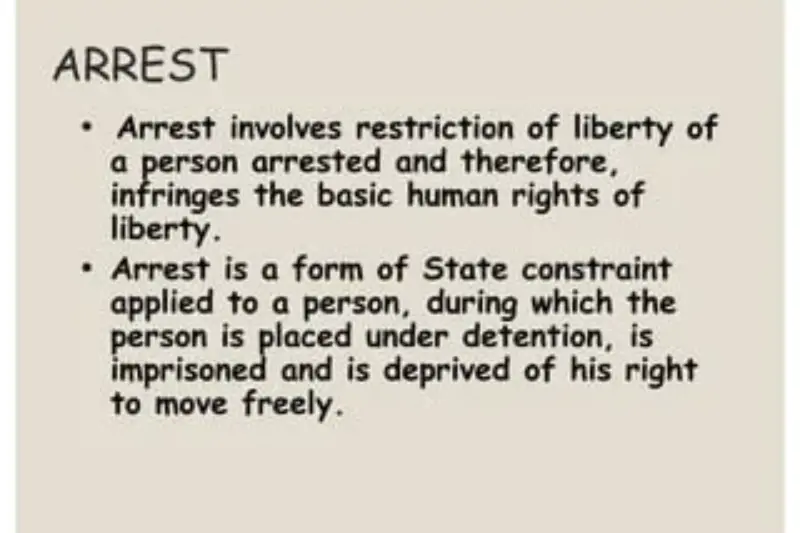
Basic rights after arrest are legal protections available to people who have been taken into custody or accused of a crime.
The exact rights depend on the jurisdiction, but they may include:
- The right to know the reason for the arrest
- The right to legal representation
- Protections concerning self-incrimination
- The right to appear before a court
- The right to seek release or bail where applicable
- The right to a fair legal process
- The right to challenge unlawful procedures
- The right to communicate with a lawyer
The details can vary significantly depending on local law.
Does an Arrest Mean You Are Guilty?
No.
One of the most important basic rights after arrest is the protection of the presumption of innocence in legal systems that recognize it.
An arrest means that authorities have taken a person into custody according to legal authority. It does not establish that the person committed a crime.
A person may be arrested and later:
- Released without charges
- Have charges dismissed
- Be found not guilty
- Be convicted after a legal proceeding
A criminal accusation must be handled according to the applicable legal process.
Right to Know Why You Are Being Arrested
Depending on local law, an arrested person may have a right to receive information about the reason for the arrest or the alleged offense.
Understanding the allegation can help the accused person understand the legal situation and seek appropriate assistance.
The timing and method of providing this information vary between jurisdictions.
Right to Remain Silent
The right to remain silent is one of the most commonly discussed basic rights after arrest.
In many legal systems, people accused of crimes have protections against being forced to provide self-incriminating statements.
A person may have the right to decline to answer certain questions, subject to applicable law.
Why Is Remaining Silent Important?
People under stress may accidentally say something inaccurate, incomplete, or harmful to their legal position.
Remaining calm and asking for legal advice can help a person understand what they are legally required to answer and what they can decline to discuss.
The exact scope of the right to silence varies by jurisdiction.
Right to a Lawyer

The right to legal representation is another important part of basic rights after arrest.
Depending on the legal system and circumstances, an arrested person may have the right to consult with or be represented by a lawyer.
A lawyer can help explain:
- The alleged offense
- Legal rights
- Court procedures
- Bail or release
- Evidence
- Possible defenses
- Potential consequences
What If You Cannot Afford a Lawyer?
Some legal systems provide publicly funded legal assistance for people who meet certain eligibility requirements.
The availability and qualification rules vary by jurisdiction.
A person who cannot afford private representation should ask the appropriate authority or court about available legal assistance.
Right to Contact a Lawyer
Depending on local law and circumstances, an arrested person may have a right to communicate with a lawyer.
Communication with legal counsel may receive special legal protection, although the exact rules vary.
If someone is facing a serious criminal allegation, obtaining legal advice early can be important.
Right to Contact Certain People
Some jurisdictions provide arrested individuals with rights to notify family members or another person about their detention.
The exact timing and circumstances can vary.
This right may be subject to specific procedures, particularly when authorities are conducting an investigation.
You may also like these posts:
Child Support Laws Explained: A Complete Guide
Marriage Legal Rights Guide: What Couples Should Know
Small Business Legal Rights: Complete Beginner’s Guide
Common Business Legal Issues: A Complete Guide
Right to a Court Appearance
A person held in custody generally cannot be kept indefinitely without legal oversight.
Many legal systems require an arrested person to be brought before a court or judicial authority within a specified period.
The exact time limit depends on the jurisdiction and circumstances.
A court appearance may address:
- The alleged charges
- Legal representation
- Release
- Bail
- Detention
- Future proceedings
Right to Bail or Release
In some legal systems, an accused person may have an opportunity to seek release while the criminal case continues.
Release may occur:
- Without payment
- With conditions
- Through bail
- Through another legally recognized process
Bail is not automatically available in every case.
What Can Affect Bail?
A court may consider factors such as:
- Seriousness of the alleged offense
- Risk of fleeing
- Previous criminal history
- Public safety
- Risk of interfering with witnesses
- Previous failures to appear
The applicable factors depend on local law.
Right to Know the Charges
An accused person generally needs to know what offense they are alleged to have committed.
This information allows the person and their lawyer to understand the case and prepare an appropriate response.
The exact process for informing someone about charges varies by jurisdiction.
Right to a Fair Hearing
A fair legal process is one of the most important basic rights after arrest.
Depending on the legal system, this can include protections such as:
- Notice of allegations
- Opportunity to obtain legal representation
- Opportunity to respond to the case
- An impartial court
- Proper consideration of evidence
- A decision according to law
The exact procedural protections vary between jurisdictions.
Right to Be Presumed Innocent
In many legal systems, an accused person is presumed innocent until guilt is established through the required legal process.
This means that being arrested or charged does not automatically make someone a criminal.
The prosecution generally has the responsibility to prove the required elements of the alleged offense.
Right to Challenge the Evidence
An accused person may have legal procedures available to challenge evidence presented against them.
A defense lawyer may question whether evidence was:
- Legally obtained
- Relevant
- Reliable
- Properly preserved
- Admissible under applicable rules
The court determines evidentiary issues according to the law.
Right to Medical Assistance
Depending on the circumstances and applicable law, a person in custody may be entitled to necessary medical care.
If someone has an urgent medical condition, injury, or serious health concern, they should communicate the need for medical assistance to the appropriate authority.
Custody facilities generally have procedures for dealing with medical needs, although the specific rules vary.
Protection From Unlawful Treatment
People in custody generally have legal protections against unlawful treatment.
Depending on the jurisdiction, these protections may address:
- Physical abuse
- Excessive force
- Cruel treatment
- Discrimination
- Unsafe detention conditions
The exact legal standards vary.
If someone believes their rights have been violated, they should document the circumstances where possible and seek advice from a qualified lawyer.
Right to an Interpreter
Language can be an important issue in criminal proceedings.
In many legal systems, people who cannot adequately understand the language used in court may have access to interpretation services.
The exact availability and procedures depend on the jurisdiction and type of proceeding.
Right to Understand Court Proceedings
An accused person should generally be able to understand the nature of the criminal proceedings against them.
Legal systems may provide interpretation, explanation, or other assistance when necessary.
A defense lawyer can also help explain legal terminology and procedures.
Right to Legal Documents
An accused person may have rights to receive or access important legal documents concerning their case.
These can include:
- Charging documents
- Court notices
- Bail orders
- Hearing information
- Other relevant legal records
The method and timing of access depend on the legal system.
Right to Prepare a Defense
The ability to prepare a defense is an important part of basic rights after arrest.
A person accused of a crime may need to:
- Review the allegations
- Consult a lawyer
- Gather relevant information
- Identify potential witnesses
- Review evidence
- Prepare legal arguments
The defense process depends on the nature of the case.
Right to Challenge Unlawful Procedures
If authorities allegedly violate applicable legal procedures, the accused person may have legal methods for challenging those actions.
For example, a defense lawyer may challenge:
- An unlawful search
- Improper questioning
- Unlawful detention
- Improperly obtained evidence
Whether a challenge succeeds depends on the facts and applicable law.
Right to a Speedy Legal Process
Some legal systems recognize a right to have criminal proceedings handled within a reasonable or legally defined period.
The meaning of a speedy trial or similar protection varies by jurisdiction.
Delays can sometimes be challenged when they violate applicable legal requirements.
Right to an Impartial Decision Maker
A fair criminal process generally requires decisions to be made by an impartial judge, court, or jury where applicable.
An accused person may have legal procedures for raising concerns about conflicts of interest or other circumstances that could affect impartiality.
Right to Attend Court Proceedings
Depending on the circumstances and applicable law, an accused person may have a right to attend important proceedings involving their case.
Some proceedings may have special rules concerning attendance.
A lawyer can explain when attendance is required.
Right to Appeal
If a person is convicted, the law may provide a right to appeal the conviction or sentence in certain circumstances.
An appeal generally involves arguing that a legal or procedural error occurred.
Appeal procedures have strict rules and deadlines.
What Should You Do After an Arrest?
Knowing basic rights after arrest is important, but practical decisions also matter.
A person who has been arrested should generally:
- Stay calm
- Avoid physically resisting lawful arrest
- Listen carefully to instructions
- Avoid unnecessary statements about the alleged offense
- Ask about legal representation
- Keep important court documents
- Attend required hearings
- Follow lawful release conditions
The appropriate steps depend on the situation and jurisdiction.
What Should You Avoid Doing After an Arrest?
Understanding basic rights after arrest also means knowing what actions may create additional problems.
Do Not Destroy Evidence
Do not intentionally delete, hide, alter, or destroy documents, messages, photographs, or other potentially relevant evidence.
Do Not Ignore Court Dates
Missing a required court appearance can result in additional legal consequences.
Do Not Discuss the Case Carelessly
Statements made to other people or posted online may potentially become relevant evidence.
Do Not Assume Release Means the Case Is Over
Being released from custody does not necessarily mean that criminal proceedings have ended.
What Happens After the Initial Arrest?
The criminal process may continue through several stages.
These can include:
- Booking
- Investigation
- Formal charges
- Initial court appearance
- Bail or release decision
- Arraignment
- Pretrial hearings
- Plea negotiations
- Trial
- Sentencing
- Appeal
Not every case goes through all of these stages.
Can an Arrest Be Challenged?
In some circumstances, an arrested person may be able to challenge the legality of the arrest.
A lawyer may examine issues such as:
- Whether authorities had lawful grounds
- Whether proper procedures were followed
- Whether the person’s rights were respected
- Whether evidence was obtained lawfully
The availability of a legal challenge depends on the jurisdiction and specific facts.
Can Charges Be Dropped After an Arrest?
Yes, criminal charges may sometimes be dismissed or not formally filed.
Possible reasons can include:
- Insufficient evidence
- Procedural problems
- Legal issues
- Prosecutorial decisions
- Other circumstances recognized by law
An arrest itself does not guarantee that a conviction will occur.
Why Legal Advice Is Important After an Arrest
Understanding basic rights after arrest is useful, but every criminal case is different.
A qualified criminal defense lawyer can review:
- The alleged offense
- The arrest circumstances
- Evidence
- Police procedures
- Bail conditions
- Court documents
- Possible defenses
Professional legal advice is particularly important when the alleged offense could result in serious penalties.
Basic Rights After Arrest: Simple Checklist
A person who has been arrested can consider the following general checklist:
- Stay calm
- Understand the reason for the arrest
- Ask about legal representation
- Understand applicable rights concerning questioning
- Avoid unnecessary statements
- Keep copies of important documents
- Understand bail or release conditions
- Attend all required court hearings
- Preserve relevant evidence
- Seek qualified legal advice
These are general points, not a substitute for jurisdiction-specific legal advice.
Frequently Asked Questions
What are the basic rights after arrest?
Basic rights after arrest may include the right to legal representation, protections concerning self-incrimination, information about the allegations, court proceedings, and access to applicable release or bail procedures.
Does an arrest mean I am guilty?
No. An arrest is not a conviction. A person generally remains presumed innocent unless guilt is established through the applicable legal process.
Can I remain silent after an arrest?
In many legal systems, people accused of crimes have protections concerning self-incrimination. The exact scope of the right to remain silent varies by jurisdiction.
Do I have a right to a lawyer after an arrest?
Depending on the jurisdiction and circumstances, an arrested person may have a right to legal representation or legal assistance.
Should I talk to the police after an arrest?
The appropriate response depends on the circumstances and local law. A person facing criminal allegations should consider obtaining legal advice before answering detailed questions.
Conclusion
Understanding basic rights after arrest can help people navigate the early stages of a criminal case more carefully. An arrest is a serious event, but it does not automatically mean that a person is guilty.
Depending on the jurisdiction, an arrested person may have important protections involving legal representation, silence, information about charges, bail, court appearances, evidence, medical care, and fair legal procedures.
It is also important to understand that criminal procedures vary. The rights available in one country or state may differ from those available somewhere else.
People should avoid assuming that general information applies exactly to their situation. If someone has been arrested or is facing criminal charges, speaking with a qualified lawyer in the relevant jurisdiction can help them understand their specific rights and responsibilities.
Knowing basic rights after arrest is one of the best ways to approach a difficult legal situation with greater awareness and caution.