Going to criminal court can seem confusing, especially for someone who has never dealt with the legal system before. Terms such as arraignment, prosecution, defense, evidence, plea, trial, verdict, and sentencing can be difficult to understand.
Learning how criminal court works can make the process easier to follow. A criminal court generally deals with allegations that a person has committed an offense and determines the case according to applicable criminal law and legal procedures.
A criminal case may begin with an investigation or arrest and continue through charging, court appearances, evidence proceedings, plea discussions, trial, sentencing, and possibly an appeal. However, not every case follows the same path.
This guide explains how criminal court works in simple language. It covers the main people involved, the stages of a criminal case, evidence, pleas, trials, verdicts, sentencing, and appeals.
Criminal procedures vary between countries, states, provinces, and other jurisdictions. This article provides general educational information and should not be treated as legal advice for a specific criminal case.
What Is a Criminal Court?

Before understanding how criminal court works, it is important to understand what a criminal court does.
A criminal court is a court that handles cases involving alleged violations of criminal law.
Depending on the legal system, criminal courts may deal with offenses such as:
- Theft
- Assault
- Fraud
- Burglary
- Robbery
- Drug offenses
- Property crimes
- Homicide
- Certain traffic offenses
The court applies the relevant law and legal procedures to determine what happens in the case.
What Is the Purpose of Criminal Court?
The main purpose of a criminal court is to provide a legal process for resolving criminal allegations.
A criminal court may:
- Hear evidence
- Consider legal arguments
- Protect legal rights
- Determine whether the prosecution has proved its case
- Enter a verdict or judgment
- Impose a sentence after conviction
The exact responsibilities of a criminal court depend on the jurisdiction.
Who Is Involved in a Criminal Court Case?
Understanding how criminal court works requires knowing the main people involved.
The Judge
The judge oversees the court proceedings and makes legal decisions.
Depending on the legal system, a judge may:
- Interpret the law
- Rule on evidence
- Manage hearings
- Decide legal motions
- Impose a sentence after conviction
In some cases, the judge may also determine whether the accused is guilty.
The Prosecutor
The prosecutor represents the government.
The prosecutor may:
- Present the criminal case
- Introduce evidence
- Question witnesses
- Make legal arguments
- Seek a conviction when the evidence supports the case
The title of the prosecutor can vary by jurisdiction.
The Defense Lawyer
The defense lawyer represents the accused person.
The lawyer may:
- Explain the charges
- Advise the accused
- Review evidence
- Challenge the prosecution’s evidence
- Question witnesses
- Present defenses
- Negotiate a possible resolution
- Represent the accused in court
The Accused Person
The accused person is the individual alleged to have committed the offense.
Depending on the legal system, this person may be called the defendant or accused.
An accusation does not automatically mean that the person is guilty.
The Jury
Some legal systems use juries in criminal cases.
A jury may listen to the evidence and determine whether the prosecution has proved the case according to the required legal standard.
Not every criminal case involves a jury.
How Does a Criminal Case Begin?
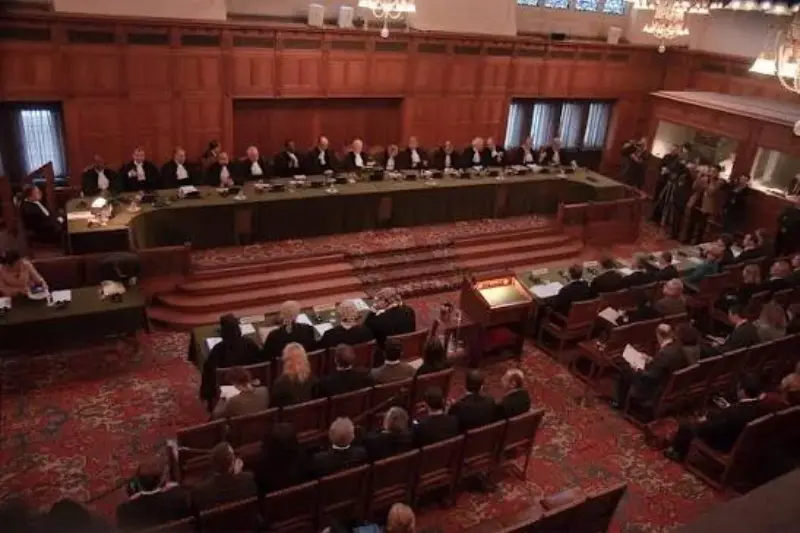
One of the first steps in understanding how criminal court works is learning how a criminal case starts.
A case may begin with:
- A complaint about an alleged offense
- A police investigation
- An arrest
- A criminal charge
- A prosecutor’s decision to bring charges
The exact process depends on the legal system.
What Happens After an Arrest?
After an arrest, authorities may complete booking and identification procedures.
The accused person may then:
- Be released
- Be released with conditions
- Be required to post bail
- Remain in custody
- Appear before a court
The decision depends on the circumstances and applicable law.
What Is a Criminal Charge?
A criminal charge is a formal accusation that a person committed a particular offense.
A charge is not the same as a conviction.
The prosecution generally has to prove the required elements of the offense according to the applicable legal standard.
What Is the First Court Appearance?
The first court appearance is an important stage in how criminal court works.
Depending on the jurisdiction, the court may:
- Confirm the person’s identity
- Explain the allegations
- Address legal representation
- Consider bail or release
- Set future hearing dates
- Address other initial legal matters
The exact procedure varies.
What Is Bail?
Bail is a legal process that may allow an accused person to remain outside custody while the case continues.
Depending on local law, release may involve:
- Money
- A bond
- Conditions
- Supervision
- A promise to appear in court
Bail is not available on identical terms in every case.
What Happens If Bail Is Denied?
If the court denies release, the accused person may remain in custody while the criminal case continues.
Depending on local law, later hearings may allow the court to reconsider detention or release.
The rules differ by jurisdiction.
What Is an Arraignment?
An arraignment is a formal court proceeding used in some legal systems.
During an arraignment, the court may:
- Explain the charges
- Ask the accused to enter a plea
- Address legal representation
- Consider bail
- Schedule future proceedings
The meaning and procedure of an arraignment can differ between jurisdictions.
What Is a Plea?
A plea is the accused person’s formal response to a criminal charge.
Depending on the legal system, a person may plead:
- Guilty
- Not guilty
- No contest or an equivalent plea where recognized
The legal consequences depend on the applicable law.
What Happens If Someone Pleads Guilty?
If an accused person pleads guilty, the case may move toward sentencing without a full trial.
Before entering a guilty plea, a person should understand the possible consequences.
A qualified defense lawyer can explain the legal effects of a plea.
What Happens If Someone Pleads Not Guilty?
If the accused pleads not guilty, the case generally continues.
The next stages may include:
- Evidence disclosure
- Pretrial hearings
- Legal motions
- Plea negotiations
- Trial preparation
Not every case eventually reaches trial.
What Is Evidence?
Evidence is information used to establish or challenge facts in a criminal case.
Evidence can include:
- Witness testimony
- Documents
- Photographs
- Video recordings
- Physical objects
- Digital records
- Forensic evidence
- Financial records
Courts apply rules that determine whether evidence can be presented.
How Is Evidence Presented?
Understanding how criminal court works also requires understanding how evidence is presented.
Evidence may be introduced through:
- Witness testimony
- Documents
- Physical exhibits
- Expert testimony
- Digital records
- Other legally permitted methods
The prosecution and defense may challenge evidence when appropriate.
Can Evidence Be Excluded?
Yes. Depending on the circumstances, a court may determine that certain evidence cannot be used.
Possible issues can involve:
- Unlawful searches
- Improper collection
- Lack of reliability
- Relevance
- Procedural violations
- Rules governing admissibility
The exact rules depend on the jurisdiction.
What Is the Burden of Proof?
In many criminal justice systems, the prosecution has the burden of proving the accused person’s guilt beyond a reasonable doubt.
This is a high legal standard.
The accused is generally presumed innocent unless guilt is established through the applicable legal process.
What Is Presumption of Innocence?
The presumption of innocence means that a person accused of a crime is treated as innocent unless and until guilt is established according to the applicable legal process.
This is an important principle when learning how criminal court works.
Being arrested or charged does not automatically prove guilt.
What Happens Before a Criminal Trial?
Before trial, several legal proceedings may take place.
These can include:
- Evidence disclosure
- Pretrial hearings
- Motions
- Witness preparation
- Plea negotiations
- Scheduling proceedings
The purpose is generally to prepare the case for trial or another resolution.
What Is a Pretrial Hearing?
A pretrial hearing is a court proceeding that occurs before a criminal trial.
The court may address:
- Legal motions
- Evidence issues
- Scheduling
- Witness matters
- Procedural questions
- Other issues affecting the trial
The exact purpose varies according to the case and jurisdiction.
What Is a Plea Agreement?
A plea agreement is an arrangement in which an accused person agrees to plead guilty or otherwise resolve criminal charges in exchange for specified concessions, where such agreements are legally permitted.
A plea agreement can sometimes avoid the need for a full trial.
The available agreements depend on local law and the circumstances of the case.
What Happens During a Criminal Trial?
A criminal trial is one of the most important parts of how criminal court works.
A trial may include:
Jury Selection
If the case uses a jury, potential jurors may be selected according to applicable procedures.
Opening Statements
The prosecution and defense may explain their positions and what they expect the evidence to show.
Presentation of Evidence
The prosecution generally presents evidence supporting the charges.
The defense may challenge the evidence and, where appropriate, present its own evidence.
Witness Testimony
Witnesses may answer questions from the prosecution and defense.
Cross-Examination
The opposing side may question witnesses to test their testimony.
Closing Arguments
The prosecution and defense may summarize their arguments and explain why the evidence supports their position.
Verdict
The judge or jury determines the outcome according to the applicable legal process.
What Is a Verdict?
A verdict is the formal decision regarding whether the accused is guilty or not guilty of the charged offense.
Depending on the legal system, the verdict may be delivered by:
- A judge
- A jury
- Another legally authorized decision maker
What Happens If the Person Is Found Not Guilty?
If the accused is found not guilty, they are not convicted of the charge in that proceeding.
The precise legal consequences depend on the jurisdiction and circumstances.
A not-guilty verdict generally means that the prosecution did not establish guilt according to the required legal standard.
What Happens If the Person Is Found Guilty?
If the person is found guilty or pleads guilty, the case generally moves toward sentencing.
The court may consider the applicable sentencing rules and circumstances before imposing a penalty.
What Is Sentencing?
Sentencing is the stage at which the court determines the legal consequences following a conviction or guilty plea.
Possible penalties may include:
- Fines
- Probation
- Community service
- Restitution
- Restrictions
- Imprisonment
The available penalties depend on the offense and applicable law.
What Is Probation?
Probation generally allows a person to remain in the community under certain conditions instead of, or sometimes after, imprisonment.
Conditions may include:
- Reporting to an officer
- Following travel restrictions
- Avoiding certain conduct
- Completing community service
- Attending treatment programs where ordered
Violating probation conditions can result in additional legal consequences.
What Is Restitution?
Restitution generally involves requiring a convicted person to compensate a victim for certain losses caused by the offense.
The rules regarding restitution vary by jurisdiction.
What Happens After Sentencing?
After sentencing, the accused person’s legal obligations depend on the sentence imposed.
The person may:
- Pay a fine
- Complete probation
- Perform community service
- Pay restitution
- Serve a prison sentence
- Follow other court conditions
In some cases, the person may also have a right to appeal.
What Is a Criminal Appeal?
An appeal is a legal process through which a party asks a higher court to review certain legal or procedural issues.
An appeal is generally not simply a second trial.
Possible grounds may include:
- Legal errors
- Procedural errors
- Incorrect application of law
- Certain evidentiary issues
Strict deadlines may apply.
Can a Criminal Case End Without a Trial?
Yes.
Understanding how criminal court works also means knowing that many criminal cases do not reach a full trial.
A case may end through:
- Dismissal
- Guilty plea
- Plea agreement
- Diversion where legally available
- Other legally recognized resolutions
The available options depend on the jurisdiction and circumstances.
You may also like these posts:
How to File for Divorce: Step-by-Step Guide
Child Support Laws Explained: A Complete Guide
Marriage Legal Rights Guide: What Couples Should Know
Small Business Legal Rights: Complete Beginner’s Guide
How Long Does a Criminal Court Case Take?
There is no single answer to how long a criminal case takes.
The duration can depend on:
- Seriousness of the offense
- Number of charges
- Amount of evidence
- Number of witnesses
- Court schedules
- Legal motions
- Plea negotiations
- Whether the case goes to trial
- Appeals
Simple cases may be resolved relatively quickly, while complex cases can take much longer.
What Are Common Criminal Court Mistakes?
Learning how criminal court works also means understanding common mistakes.
Missing Court Dates
Failing to attend a required hearing can create additional legal problems.
Ignoring Legal Documents
Court notices and deadlines should be taken seriously.
Discussing the Case Publicly
Statements made online or to other people may potentially become relevant to a criminal case.
Destroying Evidence
Deleting or hiding potentially relevant evidence can create additional legal complications.
Assuming an Arrest Means Conviction
An arrest is not a conviction.
Entering a Plea Without Understanding It
A guilty plea can have significant consequences, so an accused person should understand the legal effects before entering one.
Why Is a Criminal Defense Lawyer Important?
A criminal defense lawyer can help explain how criminal court works based on the specific facts and jurisdiction.
A lawyer may:
- Explain the charges
- Review evidence
- Protect legal rights
- Challenge evidence
- Present defenses
- Negotiate with prosecutors
- Represent the accused in court
- Explain possible outcomes
Anyone facing serious criminal allegations should consider obtaining advice from a qualified lawyer in the relevant jurisdiction.
How Criminal Court Works: Simple Timeline
A general criminal case may follow this sequence:
Investigation
Authorities investigate an alleged offense.
Arrest
A suspect may be taken into custody.
Booking
Authorities record identifying and administrative information.
Charges
Formal criminal charges may be filed.
Initial Court Appearance
The accused appears before a court.
Bail or Release
The court may decide whether the person can remain outside custody and under what conditions.
Arraignment
The accused may be formally informed of charges and asked to enter a plea.
Pretrial Proceedings
The parties address evidence, motions, negotiations, and other issues.
Trial or Other Resolution
The case may go to trial or be resolved through another legally permitted process.
Verdict
The court or jury determines the outcome.
Sentencing
If there is a conviction, the court may impose a sentence.
Appeal
An appeal may be available in certain circumstances.
Frequently Asked Questions
How does criminal court work?
How criminal court works generally involves several stages, including investigation, charging, initial court appearances, bail or release decisions, pretrial proceedings, trial or another resolution, verdict, and sentencing.
What happens at the first criminal court hearing?
The court may address the charges, legal representation, bail or release, and future hearing dates. The exact procedure depends on the jurisdiction.
Does every criminal case go to trial?
No. Many criminal cases are resolved through dismissal, guilty pleas, plea agreements, diversion programs, or other legally permitted procedures.
Who has to prove guilt in criminal court?
In many legal systems, the prosecution has the burden of proving the accused person’s guilt beyond a reasonable doubt.
What happens if someone pleads guilty?
A guilty plea may allow the case to proceed toward sentencing without a full trial. The consequences depend on the offense and applicable law.
Conclusion
Understanding how criminal court works can make the criminal justice process much easier to follow. A criminal case generally begins with an investigation or allegation and may progress through arrest, charging, court appearances, bail, plea proceedings, pretrial hearings, trial, verdict, and sentencing.
However, not every case follows the same path. Some cases are dismissed, some are resolved through guilty pleas or plea agreements, and others proceed to trial.
The prosecution generally has the burden of proving the required elements of a criminal offense according to the applicable legal standard. The accused person also has important legal protections, including the right to participate in the legal process and, depending on the jurisdiction and circumstances, the right to legal representation.
The exact rules for how criminal court works vary between jurisdictions. Court procedures, terminology, evidence rules, bail requirements, sentencing laws, and appeal procedures can all be different.
Anyone involved in an actual criminal case should seek advice from a qualified lawyer who understands the law in the relevant jurisdiction. General educational information can help explain the process, but it cannot replace advice based on the specific facts of a case.