


Marriage is not only a personal and family relationship; it can also create important legal rights and responsibilities. Understanding these rights can help couples make informed decisions about finances, property, children, inheritance, healthcare, and other important matters.
This marriage legal rights guide explains some of the common legal rights that may apply to married couples. The exact rules depend on the country, state, province, or other jurisdiction where the couple lives.
Many people do not think about legal rights until they face a major life event such as separation, divorce, the birth of a child, illness, the death of a spouse, or a financial dispute. Knowing the basics before such situations arise can help couples prepare and protect their interests.
Marriage laws can be different from one location to another. Some countries provide specific rights to spouses automatically, while others require certain documents or legal procedures. For this reason, this marriage legal rights guide should be used as general information rather than a substitute for legal advice about a particular situation.
What Are Marriage Legal Rights?
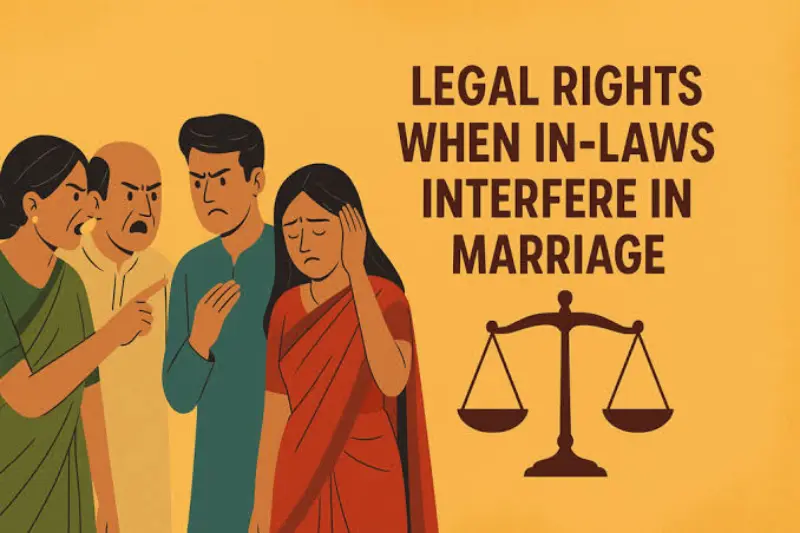
Marriage legal rights are the rights and protections that spouses may receive under family and other areas of law after entering into a legally recognized marriage.
These rights can relate to:
- Property
- Money and financial responsibilities
- Inheritance
- Children
- Healthcare
- Family decisions
- Tax matters
- Separation and divorce
- Spousal support
- Certain legal benefits
The exact rights depend on the applicable legal system.
What Rights Do Married Couples Have?
One of the most important topics in a marriage legal rights guide is understanding the general rights that can arise from marriage.
Depending on local law, spouses may have rights concerning:
- Shared or marital property
- Family financial responsibilities
- Inheritance
- Child-related matters
- Healthcare decisions
- Spousal support
- Divorce and property division
Marriage can also create legal responsibilities. For example, spouses may have financial obligations toward each other or toward their children.
Marriage and Property Rights
Property can become an important legal issue during marriage.
Couples may own:
- A house
- Land
- Cars
- Bank accounts
- Investments
- Businesses
- Household belongings
The legal treatment of property depends on the jurisdiction and how the property was acquired.
Marital Property
Some legal systems treat certain property acquired during marriage as marital or community property.
Other systems use different rules to determine whether property belongs to one spouse, both spouses, or another legal category.
Separate Property
Property owned by one spouse before marriage may sometimes remain that spouse’s separate property.
However, the treatment can change if the property is combined with marital assets or both spouses contribute to it.
Because property laws differ, couples should understand the rules that apply where they live.
What Are the Financial Rights of Spouses?
Marriage can create financial rights and responsibilities.
Depending on local law, spouses may have rights concerning:
- Joint bank accounts
- Family expenses
- Household property
- Financial support
- Debt responsibilities
- Tax matters
- Business interests
Couples should understand which financial decisions require joint consent and which assets or debts may legally belong to one spouse.
Can a Spouse Control the Other Spouse’s Money?
Marriage does not necessarily mean that one spouse automatically has unlimited control over the other spouse’s individual finances.
The legal rights concerning bank accounts, income, investments, and debts depend on ownership and local law.
A joint bank account may give both account holders certain rights, while an individual account may be treated differently.
Couples should understand how accounts and assets are legally titled rather than assuming that marriage automatically gives one spouse control over everything.
Marriage and Debt
Debt is another important topic in a marriage legal rights guide.
A spouse may have debts from:
- Credit cards
- Personal loans
- Business activities
- Education
- Medical expenses
- Mortgages
Whether one spouse is responsible for the other’s debt depends on factors such as who borrowed the money, how the debt was incurred, whether the spouses jointly signed an agreement, and the law of the jurisdiction.
Marriage does not necessarily make every debt automatically joint.
What Are a Spouse’s Inheritance Rights?
Inheritance rights can be an important legal protection for married couples.
In some jurisdictions, a surviving spouse may have legal rights to part of the deceased spouse’s estate even if there is no will.
However, inheritance rules vary significantly.
A person’s will, marital property rules, trusts, beneficiary designations, and local inheritance laws can all affect what happens after death.
Why Estate Planning Matters
Married couples may want to consider:
- Wills
- Beneficiary designations
- Property ownership
- Life insurance
- Retirement accounts
- Powers of attorney
- Healthcare directives
These documents can help clarify a person’s wishes and reduce uncertainty for family members.
What Are the Legal Rights of a Spouse After Death?
When one spouse dies, the surviving spouse may have certain legal rights depending on local law.
These may include rights concerning:
- Inheritance
- Property
- Estate administration
- Family residence
- Insurance benefits
- Pension or retirement benefits
However, these rights can vary greatly.
A spouse should not assume that marriage automatically transfers every asset. Some assets may pass according to beneficiary designations, ownership documents, wills, or other legal arrangements.
Marriage and Healthcare Decisions
Healthcare decisions can become especially important if one spouse becomes seriously ill or unable to communicate.
Depending on local law, marriage may provide a spouse with certain rights to receive information or participate in healthcare decisions.
However, marriage does not necessarily give unlimited authority over every medical decision.
Couples may want to consider legally recognized healthcare documents where available.
Healthcare Power of Attorney
A healthcare power of attorney or similar document can allow a person to designate someone to make medical decisions on their behalf if they become unable to do so.
The name and legal effect of such documents differ by jurisdiction.
Marriage and Children’s Legal Rights

Marriage can also affect legal issues involving children.
Parents may have responsibilities concerning:
- Financial support
- Education
- Healthcare
- Living arrangements
- Parenting decisions
- Safety and welfare
The legal rights of parents depend on applicable family law.
When parents separate or divorce, custody, parenting time, and child support may become separate legal matters.
What Are a Spouse’s Rights During Separation?
Separation does not necessarily end a marriage immediately.
During separation, spouses may still have legal rights and responsibilities depending on local law.
Issues may include:
- Living arrangements
- Financial support
- Property
- Child custody
- Child support
- Household expenses
- Debt
Some jurisdictions have formal legal separation procedures, while others do not.
Couples should understand the difference between simply living apart and obtaining a formal legal separation.
What Happens to Marriage Rights During Divorce?
Divorce legally ends a marriage, but it can involve several additional legal issues.
These may include:
- Property division
- Child custody
- Parenting time
- Child support
- Spousal support
- Debt
- Inheritance rights
The rules for dividing marital property and determining support vary by jurisdiction.
A spouse should understand their rights before signing a divorce settlement or property agreement.
What Is Spousal Support?
Spousal support is financial support that one spouse may be required to provide to the other.
It may be called alimony or maintenance depending on the jurisdiction.
Factors that may be considered include:
- Income
- Financial needs
- Length of the marriage
- Earning capacity
- Standard of living
- Age and health
- Contributions made during the marriage
Not every marriage or divorce results in spousal support.
Can Married Couples Sign a Prenuptial Agreement?
Yes, in many jurisdictions couples can enter into a prenuptial agreement before marriage.
A prenuptial agreement may address issues such as:
- Property
- Financial responsibilities
- Business interests
- Debt
- Spousal support
- What happens if the marriage ends
The requirements for a valid prenuptial agreement vary.
It is generally important that both parties understand the agreement before signing it and that applicable legal requirements are followed.
What Is a Postnuptial Agreement?
A postnuptial agreement is an agreement made after a couple is already married.
It can address certain financial and property matters during the marriage or in the event of separation or divorce.
Like prenuptial agreements, postnuptial agreements must satisfy applicable legal requirements to be enforceable.
Marriage and Name Changes
Marriage may allow a person to change their surname depending on the laws and administrative rules of their jurisdiction.
However, marriage itself does not necessarily require a person to change their name.
A person who changes their name may need to update:
- Identification documents
- Bank accounts
- Employment records
- Insurance
- Property records
- Other official documents
The procedure varies by location.
Marriage and Tax Rights
Marriage can affect taxation.
Depending on the country, married couples may have options concerning:
- Joint tax returns
- Tax deductions
- Tax credits
- Property transfers
- Inheritance taxes
- Other financial benefits
Tax laws change regularly, so couples should check the current rules that apply to their circumstances.
What Are the Legal Rights of a Spouse in a Family Business?
If one or both spouses own a business, marriage can create complicated financial and property questions.
Important issues may include:
- Business ownership
- Business income
- Contributions by a spouse
- Business debts
- Property used by the business
- What happens during divorce
Marriage does not automatically mean that both spouses legally own the same percentage of a business.
Business owners should understand how their local family and property laws apply.
You may also like these posts:
Common Property Law Issues: Simple Legal Guide
Property Agreement Basics: Simple Legal Guide
Tenant and Landlord Rights: Simple Legal Guide
How Property Disputes Work: Simple Legal Guide
Can a Spouse Make Legal Decisions for the Other?
Marriage can provide certain legal rights, but it does not necessarily give one spouse unlimited authority to act for the other.
For major legal and financial matters, separate authorization may be required.
Depending on the situation, documents such as powers of attorney may be useful.
The exact legal authority of a spouse depends on the jurisdiction and circumstances.
What Legal Rights Should Newly Married Couples Understand?
Newly married couples may want to discuss and organize several important matters.
Financial Accounts
Understand which accounts are individual and which are joint.
Property
Keep records showing ownership of major assets.
Insurance
Review life, health, home, and other insurance policies.
Beneficiaries
Check beneficiaries on life insurance, retirement accounts, and other financial products.
Estate Planning
Consider creating or updating wills and other estate documents.
Debt
Discuss existing debts and understand which debts are legally shared.
These steps can help couples avoid confusion later.
What Happens If a Spouse Is Abusive?
Marriage does not remove a person’s right to safety.
Domestic abuse can involve:
- Physical violence
- Threats
- Sexual abuse
- Emotional abuse
- Financial control
- Stalking
- Other forms of coercive behavior
A person experiencing abuse may have legal options, including protective orders or other remedies depending on local law.
Safety should be the priority in an abusive relationship. People facing immediate danger should contact local emergency services or an appropriate domestic violence support organization.
Can a Spouse Be Forced to Stay Married?
In many legal systems, one spouse cannot simply force the other spouse to remain married indefinitely.
The legal process for ending a marriage depends on the jurisdiction and the type of divorce or marital dissolution available.
However, divorce procedures, waiting periods, and legal requirements can vary.
A person considering divorce should understand the applicable process before making important decisions.
Common Marriage Legal Mistakes
A good marriage legal rights guide should also explain common mistakes couples can avoid.
Not Understanding Property Ownership
Couples should know whose name is on major assets and how local law treats marital property.
Ignoring Beneficiary Designations
Marriage can make it important to review life insurance and retirement beneficiaries.
Combining All Finances Without a Plan
Joint finances can be convenient, but couples should understand their financial responsibilities.
Ignoring Estate Planning
Without proper planning, the distribution of assets after death may not happen exactly as expected.
Signing Agreements Without Understanding Them
Prenuptial and postnuptial agreements should be reviewed carefully before signing.
Assuming Marriage Solves Every Legal Issue
Marriage creates certain rights and responsibilities, but it does not automatically solve property, financial, healthcare, or estate-planning issues.
How Can Couples Protect Their Legal Rights?
Couples can take several practical steps to understand and protect their legal interests.
Keep important documents organized and review them periodically.
Important documents may include:
- Marriage certificate
- Property records
- Bank documents
- Insurance policies
- Wills
- Prenuptial agreements
- Powers of attorney
- Business documents
- Loan agreements
Couples should also communicate openly about finances and major legal decisions.
When Should You Speak to a Family Lawyer?
A family lawyer may be helpful when a couple faces complicated legal issues.
Professional legal advice can be especially useful when there is:
- Significant property
- Business ownership
- International marriage
- Large financial assets
- Major debt
- A prenuptial agreement
- Domestic abuse
- Separation or divorce
- Disputes involving children
- Estate-planning concerns
A lawyer can explain the specific laws that apply to the couple’s situation.
Marriage Legal Rights Guide for Beginners
For beginners, this marriage legal rights guide can be summarized through a few key points.
Marriage may create legal rights involving property, finances, inheritance, healthcare, children, and support. However, these rights are not identical everywhere.
Couples should understand:
- How property is treated
- Who is responsible for debts
- What happens to assets after death
- How children are legally protected
- Whether spousal support may apply
- How separation and divorce work
- Whether estate planning is necessary
- Whether a prenuptial or postnuptial agreement would be useful
Understanding these basics can help couples make better financial and family decisions.
Frequently Asked Questions
What are the basic legal rights of married couples?
Married couples may have legal rights concerning property, finances, inheritance, healthcare, children, and spousal support. The exact rights depend on local law.
Does marriage automatically make all property joint?
Not necessarily. Property ownership depends on how the property was acquired, whose name is on it, and the laws of the jurisdiction.
Does a spouse automatically inherit everything after the other spouse dies?
Not always. Inheritance depends on local law, wills, ownership arrangements, beneficiary designations, and other estate-planning documents.
Can married couples create a prenuptial agreement?
In many jurisdictions, couples can create a prenuptial agreement before marriage. The legal requirements for a valid agreement vary.
Do married couples need wills?
Marriage does not automatically eliminate the need for estate planning. A will can help clarify how a person’s assets should be distributed, although the effect of a will depends on local law and other legal arrangements.
Conclusion
This marriage legal rights guide shows why understanding the legal side of marriage is important for every couple. Marriage can create rights and responsibilities involving property, finances, inheritance, healthcare, children, support, and other areas of family life.
The exact rights of married couples depend heavily on the laws of the country, state, province, or region where they live. Property rules, inheritance rights, divorce procedures, financial responsibilities, and healthcare decision-making can all differ.
Couples can protect themselves by keeping important documents organized, understanding ownership of major assets, reviewing insurance and beneficiary information, planning for the future, and seeking professional legal advice when necessary.
Marriage is both a personal commitment and a legal relationship. Understanding the legal side of that relationship can help couples make informed decisions and avoid unnecessary problems in the future.




[…] Marriage Legal Rights Guide: What Couples Should Know […]
[…] Marriage Legal Rights Guide: What Couples Should Know […]
[…] Marriage Legal Rights Guide: What Couples Should Know […]
[…] Marriage Legal Rights Guide: What Couples Should Know […]
[…] Marriage Legal Rights Guide: What Couples Should Know […]
[…] Marriage Legal Rights Guide: What Couples Should Know […]
[…] Marriage Legal Rights Guide: What Couples Should Know […]
[…] Marriage Legal Rights Guide: What Couples Should Know […]