
Owning property can provide financial security and long-term value, but property ownership also comes with important legal rights and responsibilities. Understanding these rights can help property owners make better decisions and avoid unnecessary disputes.
The phrase property ownership rights explained refers to the legal rights that a person or organization may have over property. These rights can include the ability to possess, use, manage, sell, lease, transfer, or inherit property, depending on the type of ownership and applicable law.
Property ownership is not always as simple as having a document with your name on it. Mortgages, leases, easements, zoning regulations, taxes, liens, co-ownership arrangements, and other legal restrictions can affect how property is used.
This guide provides property ownership rights explained in simple language for beginners. It covers the major rights of property owners, different forms of ownership, property restrictions, disputes, and ways ownership can be transferred.
Property laws vary between countries, states, provinces, and local jurisdictions. This article is general educational information and is not a substitute for advice from a qualified property lawyer.
What Are Property Ownership Rights?

The first step in having property ownership rights explained is understanding what these rights actually mean.
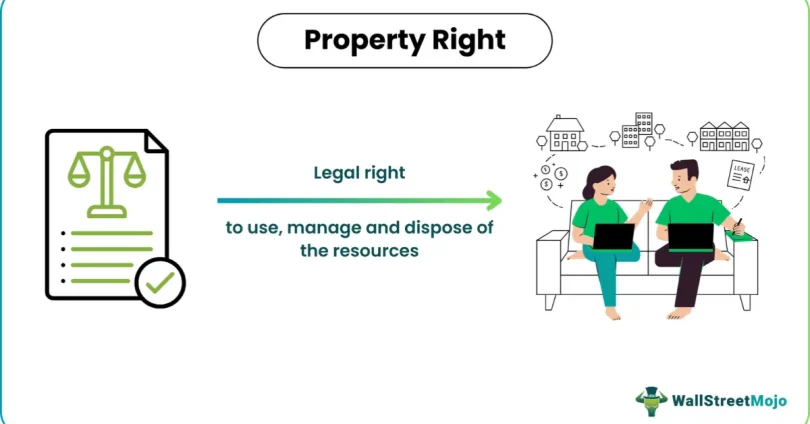
Property ownership rights are legally recognized rights that allow a person or organization to control, use, possess, or transfer property.
Depending on local law, an owner may have the right to:
- Possess the property
- Use the property
- Rent the property
- Sell the property
- Transfer ownership
- Improve the property
- Exclude others from the property
- Leave the property to heirs
These rights may be limited by laws, contracts, mortgages, easements, zoning rules, taxes, and other legal interests.
What Does Property Ownership Mean?
Property ownership generally means that a person or legal entity has a legally recognized interest in a particular property.
For real estate, ownership can involve land and buildings attached to that land.
An owner may have significant control over the property, but ownership does not always mean unlimited freedom to use it in any way.
For example, a property owner may still have to follow:
- Building regulations
- Zoning laws
- Environmental rules
- Tax requirements
- Neighborhood restrictions
- Lease agreements
- Court orders
This is an important part of understanding property ownership rights explained.
What Are the Main Property Ownership Rights?
Property ownership can involve several different rights.
Right to Possess Property
One of the basic property ownership rights is the right to possess the property.
Possession generally means having legal control or occupancy of the property.
An owner may have the right to occupy a home, use land, or control access to the property, subject to applicable legal restrictions.
Right to Use Property
An owner generally has a right to use their property for lawful purposes.
For example, a homeowner may live in the property, while a commercial property owner may use a building for an approved business activity.
However, zoning laws, building regulations, lease agreements, and other rules may restrict how property can be used.
Right to Exclude Others
Property owners generally have the right to prevent unauthorized people from entering or using their property.
This right is not always absolute.
For example, certain people may have legal access through:
- Easements
- Leases
- Licenses
- Court orders
- Government authority
Right to Sell Property
An owner may generally have the right to sell property.
A sale usually involves a legal agreement and documents transferring ownership.
Before selling, an owner may need to address:
- Mortgages
- Liens
- Taxes
- Existing leases
- Title issues
- Required disclosures
Right to Lease Property
An owner may be able to rent or lease property to another person.
The landlord and tenant then have rights and responsibilities established by the lease and applicable landlord-tenant laws.
Right to Transfer Property
Property can potentially be transferred through:
- Sale
- Gift
- Inheritance
- Trust
- Court order
- Other legally recognized methods
The required procedure depends on local law.
Right to Inherit or Pass Property to Heirs
Property may be transferred after the owner’s death according to a valid will, inheritance laws, trust arrangements, or other applicable legal rules.
Estate planning can therefore be an important part of property ownership.
You may also like these posts:
Family Law Basics for Beginners: A Simple Guide
How Does Child Custody Work? A Complete Guide
How to File for Divorce: Step-by-Step Guide
Child Support Laws Explained: A Complete Guide
Are Property Ownership Rights Unlimited?

No.
One of the most important points in property ownership rights explained is that ownership does not usually provide unlimited control.
Property owners may have to comply with laws and restrictions.
For example, an owner may not be allowed to:
- Build without required permission
- Use residential property for a prohibited commercial purpose
- Create dangerous conditions
- Ignore property taxes
- Violate another person’s legal rights
- Block a legally established easement
Property ownership provides important rights, but those rights exist within a legal framework.
What Is a Property Title?
A property title generally refers to the legal basis for ownership or another legally recognized interest in property.
Title information can help identify:
- Current owner
- Previous owners
- Mortgages
- Liens
- Easements
- Other claims or interests
Checking title information is particularly important before purchasing property.
What Is a Property Deed?
A deed is a legal document used in many jurisdictions to transfer an interest in real property.
It may identify:
- The person transferring the property
- The person receiving the property
- The property
- The interest being transferred
The requirements for a valid deed vary by jurisdiction.
What Is the Right to Possess Property?
The right to possess property generally means that the owner has legal authority to occupy or control the property.
However, possession can sometimes be shared or temporarily transferred.
For example, when an owner rents a house to a tenant, the tenant may receive a legal right to possess the property during the lease period.
This is why property ownership rights explained should always be considered together with lease and tenancy laws.
What Is the Right to Exclude Others?
The right to exclude others is a significant property right.
Generally, a property owner can prevent unauthorized people from entering the property.
However, exceptions can exist.
Examples may include:
- Emergency access
- Easements
- Tenant rights
- Government authority
- Court orders
- Other legally recognized access rights
The exact rules depend on local law.
Can an Owner Rent Out Property?
In many situations, yes.
An owner may rent a home, apartment, office, shop, or other property to a tenant.
However, rental activity may be affected by:
- Local rental laws
- Zoning rules
- Building regulations
- Lease requirements
- Housing regulations
- Association rules
Owners should understand applicable requirements before renting property.
Can a Property Owner Enter a Rented Property?
Usually, a landlord’s right to enter rented property is restricted by landlord-tenant law and the lease agreement.
In many jurisdictions, landlords may need to provide advance notice before entering, except in certain situations such as emergencies.
The exact notice period and permitted reasons vary.
Can a Property Owner Sell a Rented Property?
A property owner may often sell a property that is being rented, but an existing lease can affect the rights of the buyer and tenant.
The effect of a sale may depend on:
- The lease terms
- Local law
- Registration requirements
- Whether the lease continues after sale
Both buyers and sellers should review the existing tenancy arrangements carefully.
Can Property Ownership Be Shared?
Yes.
Property can be owned by more than one person.
Co-ownership arrangements can take different legal forms depending on the jurisdiction.
For example, two or more people may own property together with specific rights concerning:
- Possession
- Sale
- Inheritance
- Expenses
- Decision-making
The legal consequences depend on the ownership structure.
What Are Co-Ownership Rights?
Co-owners may have rights to use and possess the property.
However, disagreements can arise if co-owners have different opinions about:
- Selling the property
- Renting it
- Making improvements
- Paying expenses
- Using different parts of the property
A written agreement can help clarify responsibilities and expectations.
What Happens When Co-Owners Disagree?
A disagreement between co-owners may sometimes be resolved through:
- Negotiation
- Mediation
- Legal agreement
- Court proceedings
Some jurisdictions also provide legal procedures for ending certain forms of co-ownership.
Professional legal advice may be necessary when significant property interests are involved.
What Is an Easement?
An easement is a legal right that allows someone to use another person’s property for a specific purpose.
Common examples include:
- Access roads
- Utility lines
- Drainage
- Water access
- Shared pathways
An easement can limit an owner’s ability to completely exclude others from the affected part of the property.
This is an important consideration when having property ownership rights explained.
What Is a Property Lien?
A lien is a legal claim or security interest against property that can secure payment of a debt or obligation.
Examples may include:
- Mortgage liens
- Tax liens
- Judgment liens
- Certain construction-related liens
A lien can affect an owner’s ability to sell or transfer property.
Can Property Be Used as Security for a Loan?
Yes.
Property is commonly used as security for mortgages and other secured loans.
If a borrower fails to meet the required loan obligations, the lender may have legal rights to enforce its security according to applicable law.
The specific enforcement process varies between jurisdictions.
What Are Property Taxes?
Property taxes are taxes imposed by government authorities on certain types of property.
Property owners may be responsible for paying property taxes according to local law.
Failure to pay required taxes can result in penalties and, in some jurisdictions, legal claims against the property.
Can the Government Restrict Property Use?
Yes.
Governments can impose laws and regulations affecting how property can be used.
These may include:
- Zoning laws
- Building codes
- Environmental regulations
- Health and safety requirements
- Planning rules
- Historic preservation rules
These restrictions are an important part of understanding property ownership rights explained.
What Is Zoning?
Zoning refers to government rules controlling how land and buildings may be used.
For example, an area may be designated primarily for:
- Residential use
- Commercial use
- Industrial use
- Agricultural use
Zoning rules can also regulate building height, parking, density, and other features.
Can an Owner Build Anything on Their Property?
Usually not.
Property owners may need approval before constructing, expanding, demolishing, or significantly changing a building.
Depending on the project, approvals may include:
- Building permits
- Planning permission
- Zoning approval
- Environmental approval
The requirements vary by location.
What Are Property Boundary Rights?
Property boundaries determine the legal limits of a parcel of land.
Boundary information may come from:
- Deeds
- Surveys
- Official property records
- Maps
- Land registration documents
Boundary disputes can occur when neighboring property owners disagree about the location of a property line.
What Is an Encroachment?
An encroachment occurs when a structure or improvement extends onto another person’s property.
Examples include:
- A fence crossing a property boundary
- A building extending onto neighboring land
- A driveway crossing a property line
The legal remedies depend on local law and the circumstances.
What Happens in a Property Ownership Dispute?
Property disputes can involve:
- Ownership
- Boundaries
- Easements
- Leases
- Inheritance
- Property damage
- Co-ownership
- Contracts
The parties may attempt to resolve the dispute through negotiation or mediation.
If the dispute cannot be resolved, court proceedings may be necessary.
How Can Property Disputes Be Resolved?
Negotiation
The parties can communicate directly or through lawyers to try to reach an agreement.
Mediation
A neutral third party helps the parties explore possible solutions.
Arbitration
Where legally available and agreed upon, an arbitrator may make a decision concerning the dispute.
Court Proceedings
A court may decide the legal rights of the parties when other methods are unsuccessful or unavailable.
Can Property Ownership Be Taken Away?
Property ownership can potentially be affected or ended through legally recognized processes.
Examples may include:
- Sale
- Foreclosure
- Government acquisition
- Court order
- Inheritance transfer
- Certain legal enforcement procedures
Government acquisition of private property may be subject to specific legal requirements and compensation rules, depending on the jurisdiction.
What Is Eminent Domain or Compulsory Acquisition?
Some legal systems allow government authorities to acquire private property for public purposes under specific legal procedures.
This may be called eminent domain, compulsory acquisition, or a similar term depending on the jurisdiction.
The requirements and compensation rules vary.
What Rights Do Property Owners Have During a Dispute?
Property owners may have legal rights to:
- Receive notice of legal claims
- Present evidence
- Obtain legal representation
- Challenge claims
- Participate in court proceedings
- Seek available remedies
The exact rights depend on the nature of the dispute and applicable law.
How Can Owners Protect Their Property Rights?
Owners can take several practical steps to protect their interests.
Keep Important Documents
Maintain copies of:
- Deeds
- Purchase agreements
- Title documents
- Mortgage records
- Lease agreements
- Property tax records
- Surveys
Check Title Records
Reviewing title information can help identify potential ownership issues.
Understand Property Boundaries
A professional survey can help clarify boundary lines when necessary.
Follow Local Regulations
Owners should understand applicable zoning, building, tax, and other regulations.
Use Written Agreements
Written agreements can reduce misunderstandings between owners, tenants, buyers, sellers, and co-owners.
Common Property Ownership Mistakes
Assuming Ownership Means Unlimited Freedom
Owners still have to follow applicable laws and restrictions.
Failing to Check the Title
Unidentified liens or other interests can create problems during a property transaction.
Ignoring Boundary Issues
A small boundary disagreement can become a major legal dispute.
Not Reading a Lease
Landlords and tenants should understand their contractual responsibilities before signing.
Relying Only on Verbal Agreements
Important property arrangements should generally be documented appropriately.
Why Legal Advice Can Be Important
Understanding property ownership rights explained can help beginners recognize basic legal concepts, but property disputes and transactions can become complicated quickly.
A property lawyer may help with:
- Buying property
- Selling property
- Title issues
- Property disputes
- Boundary disagreements
- Co-ownership
- Leases
- Mortgages
- Inheritance
- Property development
Professional advice can be particularly important when substantial money or ownership rights are involved.
Property Ownership Rights Explained: Simple Checklist
The following checklist summarizes the main points of property ownership rights explained:
- Understand who legally owns the property.
- Keep ownership documents safe.
- Review title records when appropriate.
- Understand mortgages and liens.
- Know your property boundaries.
- Check for easements.
- Follow zoning and building rules.
- Understand rental agreements.
- Pay required property taxes.
- Use written agreements.
- Seek professional advice for complicated disputes.
Frequently Asked Questions
What are property ownership rights?
Property ownership rights are legally recognized rights that may allow an owner to possess, use, lease, sell, transfer, or otherwise control property, subject to applicable laws and restrictions.
Can a property owner prevent other people from entering the property?
Generally, owners have a right to exclude unauthorized people, but exceptions may apply where another person has a legal right of access, such as through an easement, lease, court order, or other legal authority.
Are property ownership rights unlimited?
No. Property owners must generally comply with laws, zoning rules, building regulations, tax requirements, easements, contracts, and other legal restrictions.
How can I protect my property ownership rights?
Keeping ownership documents, checking title records, understanding boundaries, following local regulations, using written agreements, and seeking qualified legal advice when necessary can help protect property interests.
Why is property ownership rights explained information useful?
Property ownership rights explained information helps beginners understand what property owners can generally do, what restrictions may apply, and what legal issues can arise when buying, selling, renting, or managing property.
Conclusion
Understanding property ownership rights explained is important for anyone who owns, buys, sells, rents, or inherits property.
Property ownership can provide significant legal rights, including the ability to possess, use, lease, sell, transfer, and sometimes exclude others from the property. However, these rights are not unlimited.
Mortgages, liens, easements, leases, zoning laws, taxes, building regulations, and other legal restrictions can affect how an owner uses and controls property.
Property ownership can also involve multiple people. Co-owners may have different rights and responsibilities, and disagreements can sometimes lead to negotiation, mediation, arbitration, or court proceedings.
The most important lesson from property ownership rights explained is that ownership should always be understood in the context of the applicable law and the specific documents affecting the property.
Because property laws differ significantly between jurisdictions, anyone involved in a major property transaction or dispute should consider consulting a qualified property lawyer. Professional advice can help identify legal risks and protect important property interests.