Property is an important part of everyday life. People buy homes, rent apartments, inherit land, sell buildings, and use property for businesses. Because property can have significant financial value, laws are used to define ownership and explain the rights and responsibilities of property owners and other people who use the property.
Understanding property law basics for beginners can help people understand common legal terms related to land, houses, buildings, rentals, ownership, and property disputes.
Property law can cover many different subjects, including buying and selling property, leases, mortgages, property boundaries, inheritance, easements, and ownership rights.
This guide explains property law basics for beginners in simple language. It covers the main concepts that beginners should understand before dealing with property-related legal matters.
Property laws vary between countries, states, provinces, and local jurisdictions. This article provides general educational information and is not a substitute for advice from a qualified property lawyer.
What Is Property Law?
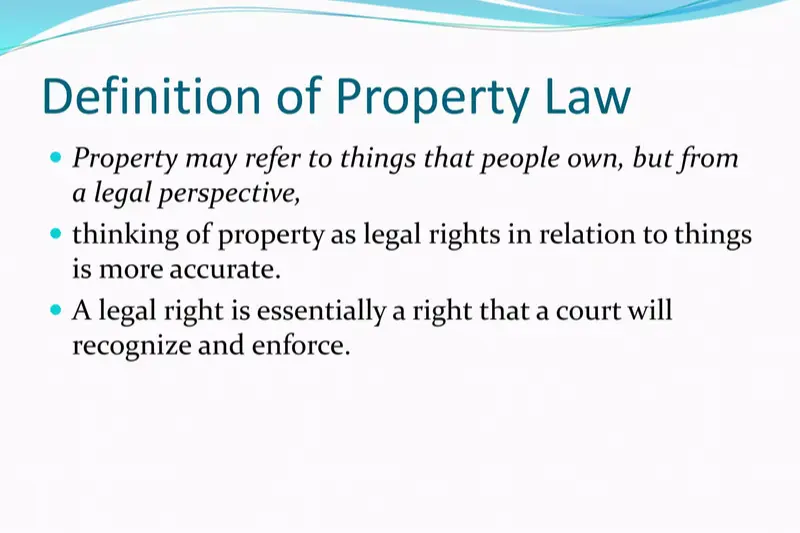
The first step in understanding property law basics for beginners is knowing what property law means.
Property law is the area of law that deals with rights and responsibilities relating to property.
It can cover:
- Ownership
- Buying and selling property
- Renting property
- Land use
- Property boundaries
- Mortgages
- Inheritance
- Easements
- Property disputes
- Transfers of ownership
The exact rules depend on the jurisdiction.
What Is Property?
Property generally refers to something that a person or organization can legally own or have rights over.
Property is often divided into different categories.
Real Property
Real property generally refers to land and things permanently attached to it.
Examples can include:
- Houses
- Buildings
- Land
- Permanent structures
Personal Property
Personal property generally refers to movable items.
Examples include:
- Furniture
- Vehicles
- Electronics
- Jewelry
- Equipment
The legal distinction between real and personal property can vary depending on the applicable law.
What Is Property Ownership?

Property ownership generally means that a person or legal entity has legally recognized rights over property.
Depending on local law, an owner may have the right to:
- Use the property
- Sell it
- Lease it
- Transfer it
- Improve it
- Exclude others from using it
Ownership rights are subject to laws, regulations, contracts, and other legal restrictions.
What Are Property Rights?
Property rights are legally recognized interests that a person may have in property.
These rights may include:
- Possession
- Use
- Control
- Transfer
- Sale
- Leasing
- Exclusion of others
The exact rights available to an owner depend on the type of property and applicable law.
Why Property Law Is Important
Understanding property law basics for beginners is important because property transactions can involve large amounts of money and long-term legal responsibilities.
Property law helps establish:
- Who owns property
- How ownership can be transferred
- How property can be used
- What landlords and tenants can do
- How property disputes are handled
- What documents may be required
Clear property laws help reduce uncertainty and protect legally recognized interests.
How Is Property Ownership Transferred?
Property ownership can be transferred in several ways.
Common examples include:
- Sale
- Gift
- Inheritance
- Court order
- Certain legal transfers
A property transfer usually requires appropriate legal documentation and compliance with local registration requirements.
What Is a Property Deed?
A deed is a legal document used in some jurisdictions to transfer an interest in real property.
A deed may identify:
- The person transferring the property
- The person receiving the property
- The property
- The nature of the interest being transferred
The requirements for a valid deed depend on local law.
What Is a Property Title?
A property title generally refers to the legal basis for a person’s ownership or interest in property.
Title information can help identify:
- Current ownership
- Previous transfers
- Certain claims
- Liens
- Other interests affecting the property
Title systems differ between jurisdictions.
What Is a Property Sale?
A property sale is a transaction in which ownership or an interest in property is transferred from one party to another in exchange for agreed consideration.
A typical transaction may involve:
- Buyer
- Seller
- Sale agreement
- Property documents
- Inspection
- Financing
- Closing or completion
- Registration
The exact process depends on local law.
What Is a Property Agreement?
A property agreement is a contract that establishes the terms of a property transaction.
It may include:
- Purchase price
- Payment terms
- Property description
- Completion date
- Conditions
- Responsibilities of the parties
Written agreements are particularly important because property transactions can involve substantial financial commitments.
What Should Buyers Check Before Buying Property?
One of the most practical parts of property law basics for beginners is understanding what should be checked before purchasing property.
Depending on the jurisdiction, a buyer may need to review:
- Ownership documents
- Property title
- Existing mortgages
- Liens
- Property taxes
- Zoning or land-use restrictions
- Building approvals
- Boundary information
- Existing leases
Professional legal and property advice can help identify potential problems.
You may also like these posts:
Family Law Basics for Beginners: A Simple Guide
How Does Child Custody Work? A Complete Guide
How to File for Divorce: Step-by-Step Guide
Child Support Laws Explained: A Complete Guide
What Is a Mortgage?
A mortgage is a legal arrangement commonly used to secure a loan against property.
A lender provides financing, and the property serves as security for repayment.
If the borrower fails to meet the loan obligations, the lender may have legal rights to enforce the security according to applicable law.
What Is a Lien?
A lien is a legal claim or security interest that may give a person or organization certain rights over property to secure a debt or obligation.
Examples can include certain:
- Mortgage liens
- Tax liens
- Judgment liens
- Construction-related liens
The types of liens and their priority depend on local law.
What Is a Lease?
A lease is an agreement that gives a tenant the right to use property for a specified period under agreed terms.
A lease may specify:
- Rent
- Lease duration
- Security deposit
- Maintenance responsibilities
- Permitted use
- Rules for ending the lease
Local landlord-tenant laws can impose additional requirements.
Who Is a Landlord?
A landlord is generally a person or organization that owns or controls rental property and allows another person to use it under a rental agreement.
Landlords generally have responsibilities established by the lease and applicable law.
Who Is a Tenant?
A tenant is generally a person or organization that has the legal right to occupy or use rental property under a lease or other rental agreement.
Tenants may have rights relating to:
- Privacy
- Repairs
- Safety
- Notice
- Security deposits
- Lease termination
These rights vary by jurisdiction.
What Are Landlord Responsibilities?
Landlord responsibilities depend on local law and the terms of the rental agreement.
They may include:
- Maintaining certain property conditions
- Making required repairs
- Following health and safety rules
- Respecting tenant privacy
- Handling deposits according to applicable law
The specific obligations differ between jurisdictions.
What Are Tenant Responsibilities?
Tenants generally have responsibilities under the lease and applicable law.
These may include:
- Paying rent on time
- Keeping the property reasonably clean
- Avoiding intentional damage
- Following lease rules
- Informing the landlord about certain problems
The exact responsibilities depend on the rental agreement and local law.
What Is a Security Deposit?
A security deposit is money that a tenant may pay to a landlord as financial protection against certain losses, such as unpaid rent or property damage.
Many jurisdictions regulate:
- Deposit amounts
- How deposits must be held
- Permitted deductions
- Return deadlines
- Required notices
These rules vary significantly.
What Is an Eviction?
An eviction is the legal process used in many jurisdictions to remove a tenant from rental property when legally justified.
A landlord generally cannot simply remove a tenant without following applicable legal procedures.
Depending on local law, eviction may involve:
- Notice
- Court proceedings
- Judgment
- Enforcement
The required process varies.
What Are Property Boundaries?
Property boundaries identify the legal limits of a parcel of land.
Boundary information may come from:
- Surveys
- Property records
- Deeds
- Maps
- Official land records
Boundary disputes can occur when neighboring owners disagree about where a property line is located.
What Is a Property Survey?
A property survey is a professional assessment that can identify property boundaries and other physical features.
A survey may help identify:
- Boundary lines
- Buildings
- Fences
- Easements
- Encroachments
Survey requirements vary depending on the transaction and jurisdiction.
What Is an Easement?
An easement is a legal right allowing someone to use another person’s property for a specific purpose.
Examples may include rights relating to:
- Access
- Roads
- Utilities
- Drainage
- Pipelines
An easement does not necessarily transfer ownership of the property.
What Is an Encroachment?
An encroachment generally occurs when a structure or improvement extends onto another person’s property.
Examples can include:
- A fence crossing a boundary
- A building extending over a property line
- A driveway occupying part of neighboring land
The legal remedies depend on the circumstances and local law.
What Is Zoning?
Zoning refers to government rules that control how land can be used in particular areas.
Zoning rules may determine whether property can be used for:
- Residential purposes
- Commercial purposes
- Industrial purposes
- Agricultural purposes
They may also regulate building size, height, parking, and other features.
Why Are Building Permits Important?
Building permits are approvals that may be required before certain construction, renovation, or structural work.
Permit requirements can help ensure that construction complies with applicable:
- Building codes
- Safety requirements
- Planning rules
- Zoning regulations
The exact requirements depend on the local authority.
What Is Adverse Possession?
Adverse possession is a legal doctrine recognized in some jurisdictions under which a person may potentially obtain legal rights to land after meeting specific statutory requirements while possessing it for a required period.
Requirements can include factors such as:
- Continuous possession
- Open possession
- Actual possession
- Exclusive possession
- Possession under legally defined conditions
The rules vary greatly, so specific legal advice is important for any real dispute.
What Happens in a Property Dispute?
Property disputes can involve:
- Ownership
- Boundaries
- Easements
- Leases
- Rent
- Property damage
- Construction
- Inheritance
A dispute may sometimes be resolved through negotiation or mediation.
If an agreement cannot be reached, court proceedings may be necessary.
How Can Property Disputes Be Resolved?
Depending on the circumstances, property disputes may be resolved through:
Negotiation
The parties communicate directly or through representatives to reach an agreement.
Mediation
A neutral mediator helps the parties explore a possible settlement.
Arbitration
In some circumstances, the parties may agree to have a private decision maker resolve the dispute.
Court Proceedings
If other methods fail or are not appropriate, a party may bring the matter before a court.
The available options depend on local law and any applicable contracts.
What Is Property Inheritance?
Property can sometimes pass to heirs after a person’s death.
Inheritance rules may depend on:
- A valid will
- Local inheritance law
- Family relationships
- Probate procedures
- Ownership structure
Because inheritance laws can be complex, legal advice may be useful when significant property is involved.
What Is a Will?
A will is a legal document that can express a person’s wishes regarding the distribution of certain assets after death.
A valid will can help provide instructions about property and other assets.
The requirements for creating and executing a valid will depend on local law.
What Is Probate?
Probate is a legal process used in some jurisdictions to administer a deceased person’s estate.
The process may involve:
- Validating a will
- Identifying assets
- Paying debts
- Resolving claims
- Distributing property
Not every estate goes through the same probate process.
Property Law Basics for Beginners: Important Documents
Understanding property law basics for beginners also means knowing some common property documents.
These may include:
- Deeds
- Sale agreements
- Lease agreements
- Mortgage documents
- Property surveys
- Title records
- Tax records
- Building permits
- Wills
- Court orders
The documents needed depend on the specific transaction.
Common Property Law Problems
Property owners, buyers, landlords, and tenants can face different legal issues.
Common problems include:
- Boundary disputes
- Unpaid rent
- Eviction disputes
- Ownership disagreements
- Title problems
- Mortgage issues
- Property damage
- Easement disputes
- Inheritance disputes
- Contract disagreements
Resolving problems early can sometimes prevent them from becoming more complicated.
Common Mistakes in Property Transactions
Not Checking Ownership Documents
Buyers should understand who legally owns the property before completing a transaction.
Ignoring Existing Liens
A property may have financial or legal claims that need to be identified.
Relying Only on Verbal Agreements
Written contracts can provide clearer evidence of the parties’ agreement.
Ignoring Property Boundaries
Boundary issues can create expensive disputes between neighboring owners.
Failing to Understand the Lease
Tenants and landlords should understand important lease terms before signing.
Skipping Professional Advice
Property transactions can involve complex legal and financial issues.
Why Property Lawyers Are Important
A property lawyer can help with legal matters involving:
- Buying property
- Selling property
- Leasing
- Property development
- Ownership disputes
- Boundary disputes
- Title issues
- Mortgages
- Inheritance
- Property contracts
Professional advice can be especially useful when a transaction involves significant financial value or complicated legal issues.
Property Law Basics for Beginners: Simple Checklist
The following checklist summarizes important property law basics for beginners:
- Understand who owns the property.
- Review ownership and title documents.
- Check for liens or other claims.
- Understand the purchase agreement.
- Verify property boundaries when necessary.
- Check applicable zoning rules.
- Understand lease terms before renting.
- Keep important property documents.
- Follow local registration requirements.
- Seek professional advice when the situation is complicated.
Frequently Asked Questions
What is a property title?
A property title generally refers to the legal basis for ownership or another recognized interest in property.
What is a property deed?
A deed is a legal document used in some jurisdictions to transfer an interest in real property.
What is an easement?
An easement is a legal right allowing someone to use another person’s property for a specific purpose, such as access or utilities.
What are property boundaries?
Property boundaries identify the legal limits of a parcel of land and may be established through surveys, deeds, maps, and official records.
What rights do tenants have?
Tenant rights vary by jurisdiction but may include rights relating to privacy, repairs, safety, notice, deposits, and lease termination.
Conclusion
Learning property law basics for beginners can help people understand the legal principles that apply to land, houses, buildings, rentals, ownership, and property transactions.
Property law can determine who owns property, how ownership is transferred, what rights landlords and tenants have, how boundaries are established, and how property disputes may be resolved.
Property transactions can involve important documents such as deeds, sale agreements, leases, mortgage documents, surveys, and title records. Reviewing these documents carefully can help reduce misunderstandings and legal problems.
Because property laws vary significantly between jurisdictions, the rules for buying, selling, renting, inheriting, and developing property may not be the same everywhere.
The most important lesson from property law basics for beginners is that property decisions should be made carefully. When significant money, ownership rights, or legal disputes are involved, consulting a qualified property lawyer can help protect your interests.