

Family law is an important area of law that deals with legal matters involving families, spouses, parents, and children. For someone who has never dealt with a legal issue before, family law can seem confusing. Terms such as divorce, custody, child support, alimony, adoption, and guardianship can be difficult to understand without basic knowledge.
Learning the family law basics for beginners can help you understand these terms and recognize the different types of family-related legal matters. It can also help you understand when professional legal assistance may be useful.
Family law is different from one country, state, or region to another. The rules, court procedures, and legal requirements depend on where a person lives. Therefore, general information should not be treated as legal advice for a specific situation.
This guide explains the most important family law basics for beginners in simple and easy-to-understand language.
What Is Family Law?
Family law is a branch of law that deals with legal relationships and disputes involving family members. It commonly covers relationships between spouses, parents, and children.
Family law may include many different matters, such as:
- Marriage
- Divorce
- Legal separation
- Child custody
- Child support
- Spousal support
- Property division
- Adoption
- Guardianship
- Paternity
- Domestic violence
- Parenting arrangements
The purpose of family law is generally to establish legal rights and responsibilities between family members and provide a legal process for resolving disputes.
For beginners, the easiest way to understand family law is to think of it as the area of law that deals with important legal problems and responsibilities within families.
Why Should Beginners Learn Family Law Basics?
Family-related legal issues can affect some of the most important parts of a person’s life. A family law case may affect where a child lives, how parents share responsibilities, how property is divided, or whether financial support must be paid.
Understanding the family law basics for beginners can help you become familiar with common legal terms before you face a family-related issue.
Basic knowledge can also help you:
- Understand common legal terms
- Prepare important documents
- Understand court procedures
- Know when professional help may be needed
- Avoid common mistakes
- Communicate more effectively with a lawyer
- Understand your general legal responsibilities
However, learning basic information does not mean that you can predict the outcome of a specific case. Family law decisions depend on the facts of each situation and the laws of the relevant jurisdiction.
Marriage and Family Law
Marriage is not only a personal relationship but can also create legal rights and responsibilities.
Marriage laws vary depending on the location. Legal requirements may involve age, consent, documentation, registration, and other conditions.
Marriage can also affect financial and property matters. Depending on the applicable law, property acquired before or during a marriage may receive different legal treatment.
For example, if a married couple purchases a home, opens joint bank accounts, or starts a business, questions may later arise about ownership and financial responsibilities.
Understanding these legal issues before entering into a marriage can be useful, particularly when significant property or financial interests are involved.
What Is Divorce?
Divorce is the legal process of ending a marriage. It is one of the best-known areas of family law.
A divorce may involve much more than simply ending the marriage. Depending on the circumstances, spouses may also need to resolve issues involving:
- Children
- Property
- Debts
- Child support
- Spousal support
- Parenting arrangements
- Financial responsibilities
Some couples agree on most issues and may be able to resolve their divorce with less conflict. Other couples disagree about important matters and may need mediation or court intervention.
The exact divorce process depends on local law.
Contested and Uncontested Divorce
A divorce may generally be described as contested or uncontested.
An uncontested divorce usually occurs when both spouses agree on the important issues involved in ending the marriage. They may agree about property, finances, children, and support.
A contested divorce occurs when the spouses cannot agree on one or more important matters.
For example, they may disagree about:
- Who should have custody of the children
- How much child support should be paid
- How property should be divided
- Whether spousal support should be paid
- Parenting schedules
When disagreements cannot be resolved through negotiation or mediation, a court may need to make decisions.
Child Custody Explained
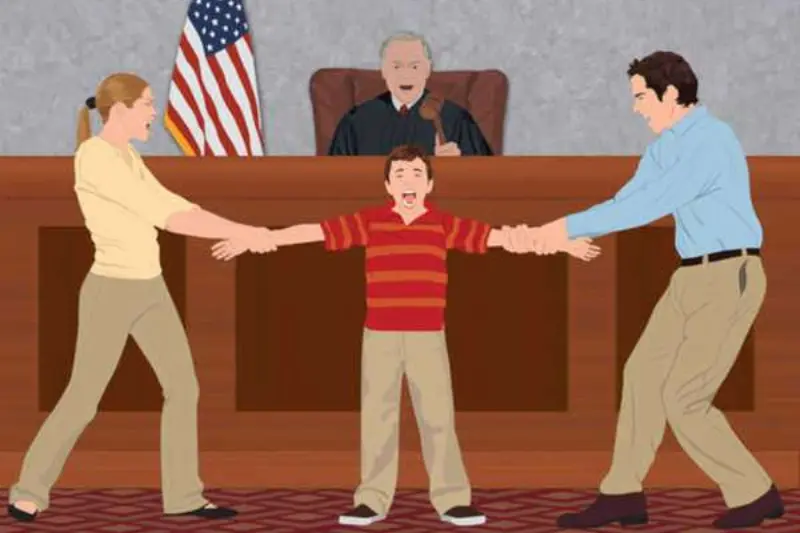
Child custody is another major area that beginners should understand.
Child custody generally refers to legal arrangements concerning a child’s care, living situation, and important decisions.
Depending on the jurisdiction, custody may involve different types of rights and responsibilities. Some legal systems distinguish between physical custody and legal custody.
Physical custody generally concerns where a child lives and spends time.
Legal custody generally concerns who has authority to make important decisions about matters such as education, healthcare, and other major issues.
The terminology varies, so it is important to understand the terms used by the court in your particular location.
The Best Interests of the Child
When courts make decisions involving children, they commonly consider the child’s best interests.
The exact factors vary by jurisdiction, but a court may consider issues such as:
- The child’s safety
- Emotional needs
- Relationship with each parent
- Stability
- Education
- Healthcare
- Living arrangements
- Each parent’s ability to care for the child
Parents may have different opinions about what is best for their child. The court’s responsibility is generally to apply the relevant law and consider the child’s welfare.
Parents should also try to keep their children away from unnecessary conflict during family disputes.
What Is Child Support?
Child support is financial support intended to help meet a child’s needs.
Depending on local law, child support may contribute toward expenses such as:
- Food
- Clothing
- Housing
- Education
- Healthcare
- Transportation
- Other necessary expenses
The amount of child support may depend on factors such as the parents’ incomes, number of children, parenting arrangements, and specific expenses.
Different jurisdictions use different methods to calculate child support.
Child support is generally connected to the needs and welfare of the child rather than being simply a payment between two adults.
What Is Spousal Support?
Spousal support is financial assistance that one spouse may be required to provide to the other following separation or divorce.
It may also be called alimony or maintenance, depending on the legal system.
Whether spousal support is available depends on local law and the circumstances of the relationship.
A court may consider factors such as:
- The length of the marriage
- Each spouse’s income
- Financial needs
- Ability to pay
- Standard of living
- Contributions made during the marriage
- Other legally relevant circumstances
Not every person who gets divorced receives or pays spousal support.
You may also like these posts:
Common Property Law Issues: Simple Legal Guide
Property Agreement Basics: Simple Legal Guide
Tenant and Landlord Rights: Simple Legal Guide
How Property Disputes Work: Simple Legal Guide
Property Division During Divorce
Property division can become one of the most complicated parts of a divorce.
Married couples may own different types of property, including:
- Houses
- Cars
- Bank accounts
- Investments
- Businesses
- Furniture
- Land
- Retirement accounts
- Personal belongings
They may also have debts such as mortgages, loans, or credit card balances.
Family law determines how property and debts are handled. Different jurisdictions use different approaches to property division.
People with substantial assets, businesses, investments, or complicated finances should consider obtaining professional legal advice before making major decisions.
Adoption and Family Law
Adoption is another important part of family law.
Adoption is a legal process through which a person or couple becomes the legal parent of a child. Once an adoption is legally completed, it can create permanent parental rights and responsibilities.
The adoption process may involve:
- Applications
- Background checks
- Consent requirements
- Home assessments
- Legal documents
- Court proceedings
- Approval from relevant authorities
The requirements can vary considerably depending on the type of adoption and location.
Because adoption can permanently change legal family relationships, following the correct legal process is very important.
What Is Guardianship?
Guardianship involves giving a person legal responsibility or authority to care for another individual or manage certain matters.
Guardianship can involve children or, depending on the legal system, adults who need assistance with personal or legal matters.
A guardian may have responsibilities related to:
- Education
- Healthcare
- Living arrangements
- Financial matters
- General care
Guardianship is not always the same as custody or parental responsibility. The exact meaning depends on the law that applies.
Paternity and Parentage
Paternity or parentage refers to establishing a legal relationship between a parent and a child.
Establishing legal parentage can be important because it may affect:
- Child support
- Custody
- Parenting rights
- Inheritance
- Medical information
- Other legal responsibilities
In some situations, parents may establish parentage voluntarily. In other situations, a court proceeding or genetic testing may be required.
The rules depend on the jurisdiction and circumstances.
Domestic Violence and Family Law
Domestic violence is another serious issue that may become part of a family law case.
Domestic violence can involve physical harm, threats, harassment, stalking, intimidation, or other abusive conduct, depending on applicable law.
People experiencing immediate danger should prioritize their safety and contact appropriate emergency services or local support organizations.
Family courts may issue protective or restraining orders when legal requirements are met. Such orders can place restrictions on contact or behavior.
Domestic violence cases can involve both family law and criminal law, depending on the circumstances.
Mediation in Family Law
Not every family dispute needs to be decided by a judge.
Mediation is a process in which a neutral person helps the parties communicate and try to reach an agreement.
Mediation may be used for disputes involving:
- Divorce
- Child custody
- Parenting schedules
- Child-related expenses
- Property
- Financial matters
A mediator generally does not make the final decision for the parties. Instead, the mediator helps them discuss their disagreements and explore possible solutions.
Mediation can sometimes reduce conflict and save time, but it is not appropriate for every situation.
What Happens in Family Court?
The exact court process depends on the type of case and the jurisdiction.
Generally, a family law case may begin when one person files legal documents with a court. The other party may then be formally notified and given an opportunity to respond.
The parties may exchange information and documents. They may negotiate, participate in mediation, or attend court hearings.
If the parties cannot reach an agreement, a judge may hear evidence and make a decision.
The court may then issue an order or judgment explaining the legal outcome.
It is important to follow court orders carefully. Ignoring a court order can potentially lead to additional legal problems.
Do You Need a Family Lawyer?
A family lawyer is a legal professional who handles matters involving family relationships and related disputes.
You may want to speak with a family lawyer if you are dealing with:
- A complicated divorce
- A child custody dispute
- A major property disagreement
- Child support problems
- Spousal support issues
- Adoption
- Paternity disputes
- Domestic violence
- A disagreement about an existing court order
Not every legal issue requires a lawyer, and some people choose to represent themselves.
However, family law can become complicated quickly, especially when children, property, finances, or safety issues are involved.
Can You Represent Yourself in Family Court?
In some situations, a person can represent themselves in family court.
Self-representation means that you handle your own case instead of hiring a lawyer.
A person representing themselves may need to:
- Complete legal forms
- File documents
- Meet deadlines
- Serve documents
- Prepare evidence
- Attend hearings
- Follow court procedures
Although self-representation may be possible, court procedures can be difficult for beginners.
Before choosing this option, it can be helpful to learn about the rules and procedures of the relevant court.
Important Documents in Family Law Cases
Documents can play an important role in family law cases.
Depending on the situation, useful documents may include:
- Marriage certificates
- Birth certificates
- Financial statements
- Bank records
- Tax documents
- Employment records
- Property documents
- Loan records
- Medical documents
- Previous court orders
- Parenting agreements
- Relevant communications
Keeping documents organized can make it easier to understand your situation and provide information when required.
Sensitive personal information should always be handled carefully and shared only through appropriate channels.
Common Family Law Mistakes
Beginners can make several mistakes when dealing with family law.
One common mistake is ignoring court deadlines. Missing an important deadline may affect your ability to respond or present your case.
Another mistake is relying completely on advice from friends, relatives, or social media. Family law differs between jurisdictions, so information that applies to another person may not apply to you.
Making major financial or property decisions without understanding the legal consequences can also create problems.
It is also important to keep copies of important documents and court orders.
When the situation is complicated, obtaining legal advice before taking action may help you understand your options.
How to Prepare for a Family Law Case
Good preparation can make a family law matter easier to manage.
Start by collecting important documents and keeping them organized. Make a timeline of important events and keep track of relevant dates.
If children are involved, keep appropriate records related to parenting arrangements, school matters, medical needs, and child-related expenses.
Try to keep communication respectful and focused on the issue. Avoid unnecessary arguments, especially when children are involved.
If you work with a lawyer, provide complete and accurate information. A lawyer needs the relevant facts to give appropriate legal advice.
Family Law and Children
Family disputes can have a strong emotional effect on children.
Parents should try to avoid involving children in adult disagreements. Children should not be pressured to choose one parent over another or used to pass messages between parents.
When parents disagree, they should try to focus on the child’s safety, stability, education, emotional well-being, and other needs.
A family law case is ultimately about legal rights and responsibilities, but the emotional impact on children should also be considered.
Difference Between Family Law and Criminal Law
Family law and criminal law are two different areas of law.
Family law generally deals with relationships and disputes involving family members. Divorce, custody, child support, adoption, and property division are common examples.
Criminal law deals with offenses against the state or society, such as theft, assault, or other crimes.
Sometimes one situation can involve both areas of law. For example, domestic violence may lead to family court proceedings as well as criminal proceedings.
Understanding the difference can help beginners know what type of legal assistance may be appropriate.
Tips for Beginners Learning Family Law
If you are completely new to family law, start with the basic concepts rather than trying to understand every legal rule at once.
Learn the meaning of common terms such as divorce, custody, child support, spousal support, mediation, guardianship, and property division.
Next, learn about the family laws that apply in your own jurisdiction. Local laws are more important than general information found online.
Keep important documents organized and write down questions before speaking with a legal professional.
Most importantly, remember that online articles provide general information. They cannot replace advice based on the specific facts of your case.
Frequently Asked Questions
What are the family law basics for beginners?
The family law basics for beginners include understanding marriage, divorce, child custody, child support, spousal support, property division, adoption, guardianship, paternity, mediation, and family court procedures.
What does a family lawyer do?
A family lawyer provides legal advice and representation in family-related matters such as divorce, custody, child support, adoption, property disputes, and other family law issues.
Is family law the same everywhere?
No. Family law differs between countries, states, provinces, and other jurisdictions. The rules regarding divorce, custody, support, property, and court procedures can vary significantly.
Can I handle a family law case without a lawyer?
Some people represent themselves in family court, particularly in simple matters. However, complicated cases involving children, property, finances, or domestic violence may benefit from professional legal advice.
What should I do first if I have a family law problem?
Start by identifying the legal issue, collecting important documents, learning the rules that apply in your location, and considering whether you need advice from a qualified family lawyer.
Conclusion
Learning the family law basics for beginners is a useful first step for anyone who wants to understand family-related legal issues. Family law covers many important areas, including marriage, divorce, child custody, child support, spousal support, property division, adoption, guardianship, and domestic violence.
The most important point to remember is that family law depends heavily on local laws and the facts of each individual case. General information can help you understand basic concepts, but it should not be considered a substitute for professional legal advice.
If you are dealing with a family law issue, keep your documents organized, pay attention to deadlines, understand your responsibilities, and seek qualified legal help when necessary. A basic understanding of family law can make the legal process easier to understand and help you make more informed decisions.





[…] Family Law Basics for Beginners: A Simple Guide […]
[…] Family Law Basics for Beginners: A Simple Guide […]
[…] Family Law Basics for Beginners: A Simple Guide […]
[…] Family Law Basics for Beginners: A Simple Guide […]
[…] Family Law Basics for Beginners: A Simple Guide […]
[…] Family Law Basics for Beginners: A Simple Guide […]
[…] Family Law Basics for Beginners: A Simple Guide […]