
Starting a small business can be exciting, but running a business involves more than choosing a name and selling products or services. Business owners also need to understand the legal rules that apply to their activities. Learning about small business legal requirements can help entrepreneurs avoid unnecessary problems and build a stronger foundation for their businesses.
Legal requirements can vary depending on the country, state, province, city, industry, and type of business. A home-based business may have different requirements from a restaurant, construction company, online store, or professional service.
New business owners may be unsure about registration, licenses, taxes, contracts, employees, insurance, privacy, and other legal responsibilities. Fortunately, these topics can be understood by breaking them into simple categories.
This guide explains the most important small business legal requirements that beginners should know before starting and operating a business. Because laws differ by location, this article provides general educational information and should not replace advice from a qualified legal or tax professional.
What Are Small Business Legal Requirements?
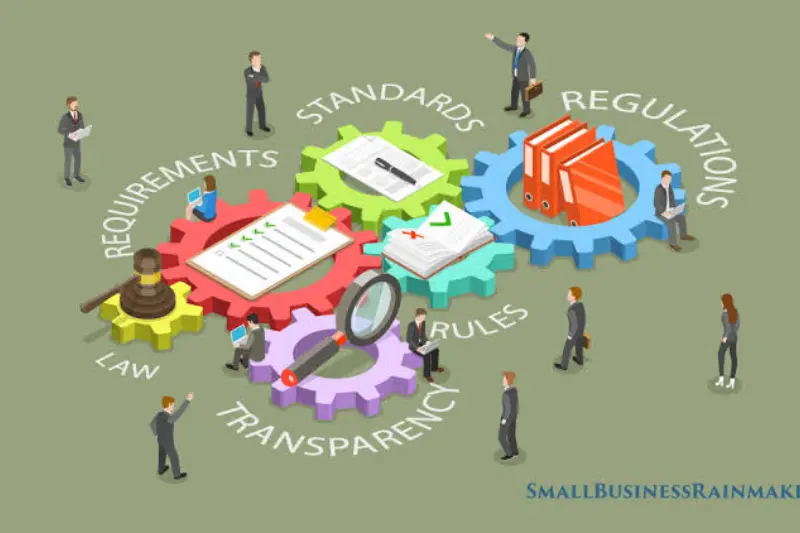
Small business legal requirements are the laws, rules, registrations, permits, licenses, contracts, and other obligations that businesses may need to follow.
These requirements can include:
- Registering the business
- Choosing a legal structure
- Obtaining licenses and permits
- Paying taxes
- Following employment laws
- Using appropriate contracts
- Protecting intellectual property
- Following consumer protection laws
- Protecting customer information
- Following health and safety rules
- Maintaining business records
Not every business has the same obligations. Requirements depend on the type and location of the business.
Why Are Small Business Legal Requirements Important?
Understanding small business legal requirements is important because ignoring applicable laws can create financial and legal problems.
A business that fails to meet its obligations may face:
- Fines
- Penalties
- Lawsuits
- Loss of licenses
- Tax problems
- Contract disputes
- Damage to reputation
- Business closure in serious cases
Following the law can also improve customer trust and make a business appear more professional.
Choose the Right Business Structure
One of the first small business legal requirements to consider is choosing an appropriate business structure.
Common structures may include:
- Sole proprietorship
- Partnership
- Limited liability company
- Corporation
- Other structures available under local law
The structure can affect taxes, liability, ownership, management, and legal responsibilities.
Sole Proprietorship
A sole proprietorship is generally owned and operated by one person.
It may be relatively simple to establish, but the owner may have personal responsibility for certain business debts and obligations.
Partnership
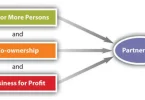
A partnership generally involves two or more people operating a business together.
Partners may share:
- Profits
- Responsibilities
- Management
- Business obligations
A written partnership agreement can help explain each partner’s responsibilities.
Limited Liability Structures
Some business structures can provide owners with limited liability protection.
However, limited liability does not mean owners can never be personally responsible for business obligations.
The exact protection depends on the legal structure and applicable law.
Register Your Business
Business registration is another important part of small business legal requirements.
Depending on the location and business structure, an owner may need to register the business with a government authority.
Registration may involve:
- Business name
- Business structure
- Owner information
- Registered address
- Formation documents
- Government fees
The exact registration process varies by jurisdiction.
You may also like these posts:
Family Law Basics for Beginners: A Simple Guide
How Does Child Custody Work? A Complete Guide
How to File for Divorce: Step-by-Step Guide
Child Support Laws Explained: A Complete Guide
Choose and Register a Business Name
A business may operate under the owner’s legal name or a separate business name, depending on local law.
If a business uses a name different from the owner’s legal name, registration may be required.
Before choosing a name, business owners should also check whether the name is already being used or protected by another business.
A name that creates confusion with an existing trademark or business can create legal problems.
Obtain Required Licenses and Permits
Licenses and permits are among the most important small business legal requirements.
Some businesses may need specific approvals before operating.
Requirements can depend on:
- Industry
- Location
- Business activities
- Number of employees
- Type of premises
- Products or services
For example, restaurants, construction companies, healthcare providers, transportation businesses, and certain professional services may have additional licensing requirements.
Business owners should check requirements with the relevant local and government authorities.
Understand Business Tax Requirements
Taxes are an important part of small business legal requirements.
Depending on the business and location, a business may have obligations involving:
- Income taxes
- Sales or consumption taxes
- Payroll taxes
- Business taxes
- Property taxes
- Industry-specific taxes
The exact tax responsibilities depend on the business structure and applicable laws.
Keep Tax Records
Businesses should maintain accurate financial records.
Useful records can include:
- Sales receipts
- Invoices
- Business expenses
- Bank statements
- Payroll records
- Tax filings
- Purchase records
Good records can make tax reporting easier and help demonstrate the financial activity of the business.
Follow Employment Laws
Hiring workers creates additional small business legal requirements.
Employment laws can cover:
- Minimum wages
- Working hours
- Overtime
- Leave
- Workplace safety
- Discrimination
- Harassment
- Employee classification
- Termination
- Payroll
The rules vary depending on the location and type of employment.
Business owners should understand the employment laws that apply before hiring workers.
Employee or Independent Contractor?
A business may work with employees or independent contractors.
These classifications can have different legal and tax consequences.
The correct classification generally depends on the actual relationship between the worker and business, not simply the title written in an agreement.
Incorrectly classifying workers can result in:
- Back taxes
- Penalties
- Employment claims
- Benefits disputes
- Other legal problems
Business owners should check the applicable legal tests before classifying workers.
Create Written Employment Agreements
Written employment agreements can help establish clear expectations between a business and its workers.
Depending on the situation, an agreement may include:
- Job duties
- Pay
- Working hours
- Benefits
- Confidentiality
- Leave
- Termination terms
- Other workplace conditions
Not every jurisdiction requires the same written documents, but clear agreements can reduce misunderstandings.
Follow Workplace Safety Rules
Workplace safety is another important part of small business legal requirements.
Businesses may need to provide a safe working environment and follow applicable health and safety regulations.
Safety responsibilities can vary depending on the industry.
Construction, manufacturing, transportation, healthcare, and other high-risk industries may have additional requirements.
Use Business Contracts
Contracts are a major part of small business legal requirements because businesses regularly make agreements with other people and organizations.
Contracts may be used with:
- Customers
- Suppliers
- Employees
- Contractors
- Landlords
- Partners
- Service providers
A written contract can explain each party’s responsibilities and reduce misunderstandings.
Important Contract Terms
A business contract may include:
- Names of the parties
- Description of products or services
- Payment terms
- Deadlines
- Responsibilities
- Confidentiality
- Termination
- Dispute resolution
Business owners should understand the terms before signing an agreement.
Protect Your Intellectual Property
Intellectual property can be one of the most valuable assets of a small business.
It can include:
- Business names
- Logos
- Designs
- Written content
- Software
- Inventions
- Trade secrets
Different forms of intellectual property receive different legal protections.
Trademarks
Trademarks can protect names, logos, and other signs that distinguish goods or services.
Before investing heavily in a business name or logo, owners should check whether similar marks already exist.
Copyright
Copyright can protect original creative works such as:
- Articles
- Photographs
- Videos
- Graphics
- Software
- Books
Businesses should avoid using protected content without appropriate permission or legal rights.
Trade Secrets
Trade secrets can include confidential business information that provides commercial value.
Examples may include:
- Recipes
- Customer lists
- Business strategies
- Manufacturing processes
- Proprietary methods
Businesses should use appropriate confidentiality and security measures to protect sensitive information.
Follow Consumer Protection Laws
Consumer protection is another important area of small business legal requirements.
Businesses may have legal responsibilities concerning:
- Advertising
- Pricing
- Product safety
- Refunds
- Warranties
- Product descriptions
- Customer information
- Fair business practices
Advertising should be accurate and should not intentionally mislead customers.
Protect Customer Information
Many businesses collect personal information from customers.
This information may include:
- Names
- Addresses
- Email addresses
- Phone numbers
- Payment information
- Account information
Depending on the location and type of information collected, privacy laws may require businesses to handle personal information responsibly.
Businesses should consider how customer information is:
- Collected
- Stored
- Used
- Shared
- Protected
- Deleted
Understand Online Business Requirements
Online businesses may have additional small business legal requirements.
An online business may need to consider:
- Website terms and conditions
- Privacy policies
- Online payment rules
- Consumer protection
- Advertising laws
- Intellectual property
- Data protection
- E-commerce regulations
Selling online does not necessarily remove a business’s legal responsibilities.
Understand Advertising Rules
Marketing and advertising are important for small businesses, but advertisements should follow applicable laws.
Businesses should avoid making false or misleading claims about:
- Products
- Prices
- Results
- Discounts
- Guarantees
- Competitors
Businesses should also be careful when using customer reviews, testimonials, influencer marketing, or comparative advertising.
Consider Business Insurance
Insurance may not be legally required for every business, but certain types of insurance may be required depending on the business, employees, location, contracts, or industry.
Possible types include:
- General liability insurance
- Professional liability insurance
- Commercial property insurance
- Workers’ compensation coverage
- Product liability insurance
Insurance requirements vary, so business owners should determine what applies to their particular business.
Keep Proper Business Records
Recordkeeping is one of the simplest but most important small business legal requirements.
Business records may include:
- Contracts
- Invoices
- Receipts
- Tax documents
- Payroll records
- Employee documents
- Licenses
- Permits
- Insurance policies
- Business correspondence
Keeping organized records can help with tax compliance, audits, disputes, and business planning.
Keep Business and Personal Finances Separate
Business owners should consider keeping business finances separate from personal finances where appropriate.
Separate accounts can make it easier to:
- Track business income
- Record expenses
- Prepare taxes
- Manage cash flow
- Demonstrate business activity
For certain legal business structures, maintaining separation between personal and business finances can also be important for preserving liability protection.
Understand Local Zoning Requirements
Some businesses may be affected by zoning or property-use rules.
For example, a business operating from home may need to check whether local rules allow commercial activity at that location.
Other businesses may need approval concerning:
- Signage
- Building use
- Parking
- Noise
- Operating hours
- Safety requirements
Checking local rules before signing a lease or opening a physical location can prevent expensive problems.
Understand Industry-Specific Requirements
Some industries have additional small business legal requirements beyond general business rules.
Industries that may have special regulations include:
- Healthcare
- Food services
- Construction
- Transportation
- Financial services
- Education
- Childcare
- Professional services
- Alcohol-related businesses
Business owners should identify the regulations that apply to their particular industry.
What Happens If a Business Does Not Follow the Law?
Failure to follow applicable small business legal requirements can have serious consequences.
Depending on the violation, a business may face:
- Fines
- Penalties
- Lawsuits
- License suspension
- Tax assessments
- Contract disputes
- Regulatory action
The consequences depend on the type and seriousness of the violation.
Ignoring a legal notice or government requirement can make the situation worse.
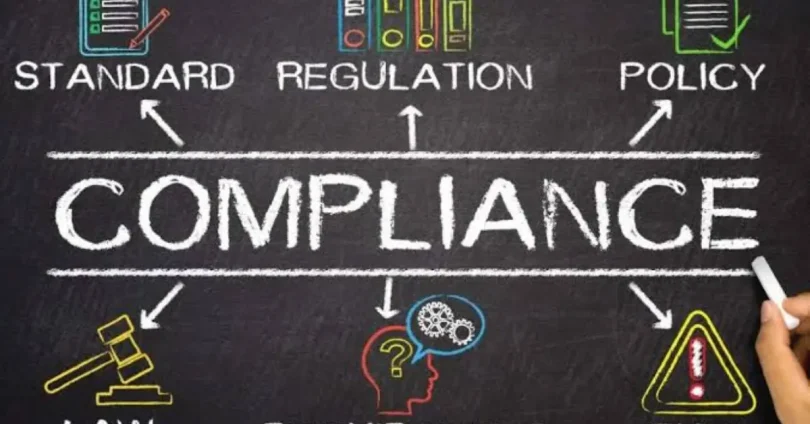
How Can Small Businesses Stay Compliant?
Business owners can take several practical steps to stay compliant.
Create a Compliance Checklist
Keep a list of:
- Licenses
- Permits
- Tax deadlines
- Employee requirements
- Insurance renewals
- Reporting obligations
- Contract deadlines
Review Requirements Regularly
Laws can change. A business should periodically review its legal obligations.
Keep Documents Organized
Store important legal and financial documents securely.
Get Professional Advice When Needed
A lawyer, accountant, tax professional, or other qualified professional may help with complicated requirements.
When Should a Small Business Hire a Lawyer?
A business does not necessarily need a lawyer for every routine decision.
However, professional legal advice may be useful when:
- Forming a company
- Creating important contracts
- Hiring employees
- Buying or selling a business
- Facing a lawsuit
- Dealing with intellectual property
- Handling regulatory problems
- Entering a major commercial agreement
- Dealing with significant property
- Resolving a serious dispute
Getting advice early can sometimes prevent larger problems later.
Small Business Legal Requirements Checklist
For beginners, the main small business legal requirements can be summarized in a simple checklist:
- Choose an appropriate business structure
- Register the business when required
- Register the business name when necessary
- Obtain required licenses and permits
- Understand tax obligations
- Keep accurate financial records
- Follow employment laws
- Use appropriate contracts
- Protect intellectual property
- Follow consumer protection rules
- Protect customer information
- Check zoning requirements
- Maintain required insurance
- Follow industry-specific regulations
- Keep important documents organized
- Review legal requirements regularly
This checklist provides a useful starting point, but businesses should verify the specific requirements that apply to their location and industry.
Small Business Legal Requirements for New Entrepreneurs
New entrepreneurs should not wait until they have a legal problem before learning about small business legal requirements.
Before opening a business, an owner should research registration, licensing, taxation, employment rules, contracts, insurance, and industry-specific regulations.
It is also useful to create a basic system for keeping business records from the beginning.
Starting with good legal and financial practices can make it easier to grow the business later.
Frequently Asked Questions
What are small business legal requirements?
Small business legal requirements are the laws, registrations, licenses, permits, tax obligations, contracts, and other rules that a business must follow.
Does every small business need to register?
Registration requirements vary depending on the business structure, location, and type of business. Owners should check the requirements that apply in their jurisdiction.
Does a small business need a license?
Some businesses require licenses or permits, while others may not. Requirements can depend on the industry, location, and activities of the business.
What legal documents should a small business have?
Depending on the business, important documents may include registration documents, contracts, employment agreements, licenses, permits, insurance policies, privacy policies, and tax records.
What happens if a small business does not follow legal requirements?
A business may face fines, penalties, lawsuits, loss of licenses, tax problems, or other consequences depending on the violation.
Conclusion
Understanding small business legal requirements is an important part of starting and running a successful business. Legal responsibilities can affect almost every part of business operations, including registration, taxes, contracts, employees, intellectual property, customer relationships, privacy, insurance, and licensing.
The specific requirements depend on where the business operates and what products or services it provides. A home-based online business may have different obligations from a restaurant, construction company, retail store, or professional service provider.
Business owners can reduce legal risks by researching applicable requirements, keeping accurate records, using clear contracts, following employment rules, protecting customer information, and maintaining necessary licenses and permits.
It is also important to remember that laws can change. Reviewing small business legal requirements regularly can help a business remain compliant as it grows or changes its activities.
This article is intended for general educational purposes and does not constitute legal or tax advice. If a business faces a complicated legal issue or is unsure about a specific requirement, consulting a qualified professional is the safest approach.