
Starting or running a business involves more than selling products or providing services. Business owners also need to understand the legal rules that affect their operations. Learning business law basics for beginners can help new entrepreneurs make better decisions, avoid common legal mistakes, and understand their responsibilities.
Business law covers many areas, including contracts, business structures, employment relationships, intellectual property, taxes, consumer protection, and disputes. The exact laws depend on the country, state, province, or other jurisdiction where a business operates.
For someone starting their first business, legal terminology can seem complicated. Terms such as liability, contracts, compliance, intellectual property, and employment law may be unfamiliar. However, the basic concepts can be understood with a simple explanation.
This guide to business law basics for beginners introduces the major legal areas that every new business owner should understand. It is general educational information and should not replace advice from a qualified lawyer or other appropriate professional.
What Is Business Law?
Business law is the collection of legal rules that regulate how businesses are created, operated, managed, and closed.
It can affect almost every part of a business.
Business law may cover:
- Business formation
- Contracts
- Employment
- Partnerships
- Companies
- Taxes
- Intellectual property
- Consumer protection
- Business property
- Financial transactions
- Dispute resolution
- Business closure
Understanding business law basics for beginners gives entrepreneurs a foundation for recognizing when a business decision may have legal consequences.
Why Is Business Law Important?
Businesses make legal decisions every day, even when owners do not realize it.
For example, a business may:
- Sign a contract with a supplier
- Hire an employee
- Rent an office
- Purchase equipment
- Sell products
- Use another company’s trademark
- Collect customer information
- Borrow money
- Advertise products
- Enter into a partnership
Each of these activities can involve legal responsibilities.
Learning business law basics for beginners can help business owners identify potential problems before they become expensive disputes.
What Are the Different Types of Business Structures?
One of the first legal decisions a business owner may need to make is choosing a business structure.
Common structures include:
- Sole proprietorship
- Partnership
- Limited liability company
- Corporation
- Other structures recognized under local law
The available structures vary depending on the jurisdiction.
Sole Proprietorship
A sole proprietorship is generally a business owned and operated by one person.
It can be relatively simple to establish, but the owner may have personal responsibility for certain business debts and obligations depending on local law.
Partnership
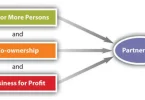
A partnership generally involves two or more people operating a business together.
Partners may share:
- Profits
- Responsibilities
- Management
- Business obligations
A written partnership agreement can help clarify each partner’s rights and responsibilities.
Limited Liability Business Structures
Some legal structures can provide owners with limited liability protection.
However, the exact protection depends on the type of entity and local law.
Business owners should understand the requirements for maintaining the legal separation between the business and the owners.
You may also like these posts:
Family Law Basics for Beginners: A Simple Guide
How Does Child Custody Work? A Complete Guide
How to File for Divorce: Step-by-Step Guide
Child Support Laws Explained: A Complete Guide
What Is Limited Liability?

Limited liability generally means that owners may have protection from being personally responsible for certain business debts or liabilities.
However, limited liability does not mean that business owners can never be personally responsible.
Personal liability can sometimes arise because of:
- Personal guarantees
- Fraud
- Certain legal violations
- Failure to follow company requirements
- Improper use of business funds
- Other circumstances recognized by law
This is an important concept in business law basics for beginners because many new entrepreneurs misunderstand what limited liability actually means.
What Are Business Contracts?
Contracts are an important part of almost every business.
A contract is generally an agreement that creates legally recognized obligations between parties.
Businesses may use contracts with:
- Customers
- Employees
- Suppliers
- Contractors
- Landlords
- Business partners
- Service providers
Contracts can establish what each party agrees to do and what happens if an agreement is not followed.
What Should a Business Contract Include?
The contents of a contract depend on the type of agreement.
A business contract may include:
- Names of the parties
- Services or products involved
- Payment terms
- Deadlines
- Responsibilities
- Confidentiality provisions
- Termination terms
- Dispute procedures
- Other relevant conditions
Business owners should read contracts carefully before signing them.
Why Written Contracts Matter
Verbal agreements may sometimes be legally enforceable, depending on the circumstances and applicable law.
However, written agreements provide clearer evidence of what the parties agreed to.
Written contracts can reduce misunderstandings and make it easier to resolve disagreements.
Understanding contracts is one of the most useful parts of business law basics for beginners.
What Is Breach of Contract?
A breach of contract occurs when a party fails to meet an obligation required by the agreement.
Examples may include:
- Failing to make a required payment
- Not delivering goods
- Missing an agreed deadline
- Failing to provide contracted services
- Violating another contractual requirement
The consequences depend on the contract and applicable law.
Possible remedies may include financial damages, specific performance, termination, or other legal remedies.
What Is Employment Law?
Employment law regulates relationships between businesses and workers.
It can cover:
- Hiring
- Wages
- Working hours
- Workplace safety
- Leave
- Discrimination
- Harassment
- Termination
- Employee rights
Employment laws vary significantly between jurisdictions.
Business owners should understand the employment rules that apply to their workers.
What Is the Difference Between an Employee and an Independent Contractor?
An employee and an independent contractor can have different legal classifications.
The distinction may affect:
- Taxes
- Benefits
- Workplace protections
- Payment arrangements
- Employer responsibilities
The classification generally depends on the actual working relationship and applicable legal tests rather than simply the title used in a contract.
Misclassifying workers can create legal and financial problems.
This is why employment classification is an important topic in business law basics for beginners.
What Are Workplace Discrimination Laws?
Many jurisdictions have laws protecting workers from unlawful discrimination.
Protected characteristics vary by location but may include areas such as:
- Race
- Sex
- Disability
- Religion
- Age
- National origin
Employers should understand the laws that apply to their workplace and create appropriate policies and procedures.
What Is Intellectual Property?
Intellectual property refers to legal rights connected to creations, inventions, brands, designs, and other forms of intellectual work.
Common forms include:
- Trademarks
- Copyright
- Patents
- Trade secrets
Intellectual property can be one of the most valuable assets of a business.
What Is a Trademark?
A trademark can identify a business, product, or service and distinguish it from others.
Examples may include:
- Business names
- Logos
- Brand names
- Certain slogans
Businesses should check whether a proposed name or brand conflicts with existing trademark rights before investing heavily in it.
What Is Copyright?
Copyright generally protects original creative works.
Examples can include:
- Articles
- Photographs
- Videos
- Music
- Software
- Graphic designs
- Books
Copyright laws differ between jurisdictions, but businesses should avoid using another person’s protected work without appropriate permission or legal rights.
What Is a Patent?
A patent can provide legal protection for certain inventions or innovations.
Patent requirements can be technical and vary by jurisdiction.
A business developing a new invention may want professional intellectual property advice before publicly disclosing the invention or filing an application.
What Are Trade Secrets?
Trade secrets are confidential business information that provides commercial value because it is not generally known.
Examples might include:
- Manufacturing processes
- Customer information
- Business strategies
- Formulas
- Certain proprietary methods
Businesses can use confidentiality agreements and internal security measures to help protect sensitive information.
What Is Consumer Protection Law?
Consumer protection laws are designed to protect customers from certain unfair, deceptive, or harmful business practices.
Depending on the jurisdiction, businesses may have legal responsibilities concerning:
- Product safety
- Advertising
- Pricing
- Refunds
- Warranties
- Consumer information
- Fair business practices
Businesses should make sure their marketing and sales practices comply with applicable consumer protection laws.
Why Are Business Licenses Important?
Some businesses require licenses, registrations, permits, or other government approvals.
Requirements depend on:
- Business activity
- Location
- Industry
- Business structure
- Local regulations
For example, certain professional services, food businesses, transportation businesses, and regulated industries may require specific licenses.
Operating without a required license can result in penalties or other legal problems.
Checking local requirements is an important part of business law basics for beginners.
What Is Business Tax Law?
Businesses may have tax responsibilities depending on their structure, income, employees, and location.
Possible tax obligations can include:
- Income tax
- Sales tax
- Payroll-related taxes
- Business taxes
- Other industry-specific taxes
Tax rules can be complicated and frequently change.
Business owners should maintain accurate financial records and understand which tax obligations apply to their business.
Why Should Businesses Keep Financial Records?
Accurate records can help a business demonstrate its financial activity.
Important records may include:
- Sales
- Expenses
- Invoices
- Receipts
- Payroll
- Contracts
- Tax documents
- Bank statements
Good recordkeeping can help with tax compliance, financial planning, audits, and legal disputes.
What Is Business Compliance?
Business compliance means following the laws, regulations, licenses, contracts, and other legal requirements that apply to a business.
Compliance may involve:
- Filing required documents
- Paying taxes
- Following employment laws
- Maintaining licenses
- Protecting customer information
- Following industry regulations
- Meeting reporting requirements
Ignoring compliance obligations can result in fines, lawsuits, loss of licenses, or other consequences.
What Is Business Privacy Law?
Businesses may collect information from customers, employees, and other individuals.
Depending on the jurisdiction and type of information collected, businesses may have legal responsibilities concerning:
- Collection
- Storage
- Use
- Sharing
- Security
- Disposal
Businesses that collect personal information should understand the privacy laws applicable to their operations.
What Is a Business Dispute?
A business dispute occurs when two or more parties disagree about a business-related issue.
Disputes can involve:
- Contracts
- Payments
- Employees
- Partners
- Customers
- Suppliers
- Intellectual property
- Business ownership
Not every dispute needs to go directly to court.
How Can Business Disputes Be Resolved?
Business disputes may be resolved through several methods.
Negotiation
The parties communicate directly and try to reach an agreement.
Mediation
A neutral third party helps the parties attempt to resolve their disagreement.
Arbitration
A neutral decision-maker considers the dispute and makes a decision according to the applicable agreement and legal rules.
Litigation
Litigation involves resolving the dispute through the court system.
The best method depends on the circumstances, contract terms, applicable law, cost, and desired outcome.
Understanding dispute resolution is another important element of business law basics for beginners.
What Happens When a Business Is Sued?
If a business receives a lawsuit or legal notice, the owner should not ignore it.
The business should:
- Read the documents carefully
- Identify deadlines
- Preserve relevant records
- Avoid destroying evidence
- Review the contract or issue involved
- Seek appropriate legal advice
Missing a legal deadline can seriously affect a business’s ability to respond.
What Is a Business Partnership Agreement?
A partnership agreement is a document that establishes how partners will operate their business relationship.
It may address:
- Ownership percentages
- Profit sharing
- Management responsibilities
- Financial contributions
- Decision-making
- Dispute resolution
- Withdrawal of a partner
- Business dissolution
A clear agreement can reduce disagreements between business owners.
Why Should Businesses Use Legal Agreements?
Legal agreements help clarify expectations between parties.
They can explain:
- Who is responsible for what
- How much money will be paid
- When payments are due
- What happens if something goes wrong
- How the relationship can end
- How disputes will be handled
Although contracts cannot prevent every disagreement, clear agreements can reduce uncertainty.
How Can Small Businesses Avoid Legal Problems?
Small businesses can take several practical steps to reduce legal risks.
Use Written Agreements
Put important business arrangements in writing.
Keep Good Records
Maintain financial, employment, contract, and business records.
Follow Licensing Requirements
Make sure the business has required permits and licenses.
Protect Intellectual Property
Register or protect important intellectual property when appropriate.
Understand Employment Rules
Follow applicable employment and workplace laws.
Protect Customer Information
Use reasonable security and privacy practices.
These steps provide a practical foundation for business law basics for beginners.
When Should a Business Hire a Lawyer?
A lawyer may be useful when a business faces a complicated legal issue.
Professional legal advice can be particularly helpful for:
- Starting a company
- Creating partnership agreements
- Drafting major contracts
- Buying or selling a business
- Employment disputes
- Intellectual property issues
- Lawsuits
- Regulatory problems
- Major property transactions
A lawyer can help identify legal risks before they become expensive problems.
Business Law Basics for Beginners: Key Things to Remember
The most important lessons from business law basics for beginners are simple.
Business owners should understand their business structure, contracts, employment responsibilities, intellectual property, taxes, licensing, consumer protection, privacy, and dispute-resolution options.
They should also keep accurate records and avoid signing important agreements without understanding their terms.
Legal requirements can vary considerably between jurisdictions, so business owners should always check the laws that apply to their location and industry.
Frequently Asked Questions
What is business law?
Business law is the area of law that regulates business activities, including contracts, companies, employment, property, intellectual property, consumer protection, and disputes.
Why should beginners learn business law?
Learning business law basics for beginners helps entrepreneurs understand their legal responsibilities and recognize potential risks before they become serious problems.
What is a business contract?
A business contract is an agreement between parties that establishes legally recognized rights and obligations.
Does every business need a lawyer?
Not necessarily. However, legal advice can be valuable for complicated matters such as contracts, lawsuits, business formation, employment disputes, and intellectual property.
What is intellectual property?
Intellectual property refers to legal rights connected to creations, inventions, brands, designs, and confidential business information.
Conclusion
Learning business law basics for beginners can help entrepreneurs understand the legal responsibilities that come with running a business. Business law affects many everyday decisions, from choosing a business structure and signing contracts to hiring workers, protecting intellectual property, paying taxes, and dealing with customers.
New business owners do not need to become lawyers, but they should understand the basic legal concepts that affect their businesses. Knowing when to seek professional advice can also prevent small problems from becoming expensive legal disputes.
A strong legal foundation can help a business operate more confidently and responsibly. By keeping good records, using clear contracts, following applicable regulations, protecting intellectual property, and understanding employment and consumer laws, business owners can reduce unnecessary legal risks.
Because laws vary by country, state, province, and industry, this guide is general educational information rather than legal advice. When a business faces a significant legal issue, consulting a qualified business lawyer or other appropriate professional is often the safest approach.