Running a business involves many decisions, and some of those decisions can create legal responsibilities. Even small businesses can face legal problems involving contracts, employees, customers, suppliers, taxes, intellectual property, partnerships, and government regulations.
Understanding common business legal issues can help business owners identify potential problems early and take practical steps to reduce legal risks.
Many legal problems begin with simple mistakes. A business may sign a contract without reading it carefully, fail to pay a required tax, misunderstand an employee’s legal status, use another company’s copyrighted material, or fail to protect confidential information.
Business owners do not need to become lawyers to understand the basics. However, they should know the major legal areas that can affect their businesses and understand when professional legal advice may be appropriate.
This guide explains common business legal issues in simple language and provides an overview of contracts, employment, taxes, intellectual property, customers, partnerships, disputes, privacy, licensing, and other legal matters.
Because laws differ by country, state, province, city, and industry, this article provides general educational information and should not be treated as specific legal advice.
What Are Common Business Legal Issues?

Common business legal issues are legal problems or disputes that businesses may encounter during normal operations.
These issues can involve:
- Business contracts
- Employee relationships
- Taxes
- Licenses and permits
- Intellectual property
- Customer disputes
- Supplier disagreements
- Business partnerships
- Privacy and data
- Debt collection
- Commercial property
- Business formation
- Regulatory compliance
Some issues can be prevented through proper planning, while others may arise unexpectedly.
Why Do Businesses Face Legal Problems?
Businesses can face legal problems for many reasons.
Common causes include:
- Unclear contracts
- Poor recordkeeping
- Missed deadlines
- Misunderstanding legal obligations
- Employee disputes
- Unpaid invoices
- Intellectual property mistakes
- Customer complaints
- Regulatory violations
- Partnership disagreements
Understanding common business legal issues allows business owners to recognize these risks and address them before they become more serious.
Contract Disputes
Contract disputes are among the most common business legal issues.
Businesses regularly enter agreements with:
- Customers
- Suppliers
- Employees
- Contractors
- Landlords
- Partners
- Service providers
A dispute can arise when one party believes the other has failed to fulfill the agreement.
Examples of Contract Problems
A contract dispute may involve:
- Failure to make payment
- Late delivery
- Poor-quality products
- Incomplete services
- Missed deadlines
- Breach of confidentiality
- Disagreement over contract terms
A written contract can make it easier to determine what each party agreed to do.
Unpaid Invoices and Payment Disputes
Cash flow is important for every business.
When customers fail to pay invoices, the business may face financial difficulties.
Payment disputes can happen because:
- The customer disputes the amount
- The customer claims the service was incomplete
- The invoice contains an error
- Payment terms were unclear
- The customer simply refuses to pay
Businesses should maintain contracts, invoices, delivery records, and communications to support payment claims.
You may also like these posts:
How to File for Divorce: Step-by-Step Guide
Child Support Laws Explained: A Complete Guide
Marriage Legal Rights Guide: What Couples Should Know
Small Business Legal Rights: Complete Beginner’s Guide
Employment Legal Issues
Employment-related problems are another major category of common business legal issues.
Employment laws may cover:
- Wages
- Working hours
- Overtime
- Leave
- Workplace safety
- Discrimination
- Harassment
- Employee classification
- Termination
The exact rules depend on the location and type of employment.
Employee Misclassification
A business may work with employees and independent contractors.
These classifications can have different legal and tax consequences.
Calling a worker an independent contractor does not necessarily determine their legal status. The actual working relationship and applicable legal tests may be more important.
Misclassification can result in financial penalties, employment claims, or tax problems.
Wrongful Termination Claims
Employees may have legal protections concerning termination.
A business may face a claim if an employee believes they were dismissed in violation of:
- Employment law
- A contract
- Anti-discrimination rules
- Public policy protections
- Other applicable legal requirements
Employers should document employment decisions carefully and follow applicable procedures.
Workplace Discrimination and Harassment
Discrimination and harassment can create serious legal risks for businesses.
Employment laws may prohibit discrimination based on protected characteristics.
Businesses should establish appropriate workplace policies and respond properly to complaints.
Employers should also understand that workplace protections vary depending on the jurisdiction.
Tax Problems
Tax issues are another category of common business legal issues.
Businesses may have obligations involving:
- Income taxes
- Sales taxes
- Payroll taxes
- Business taxes
- Property taxes
- Industry-specific taxes
Failure to comply with tax laws can result in:
- Penalties
- Interest
- Audits
- Tax assessments
- Legal disputes
Poor Financial Recordkeeping
Poor recordkeeping can make tax compliance more difficult.
Businesses should maintain records of:
- Income
- Expenses
- Invoices
- Receipts
- Payroll
- Bank transactions
- Tax filings
Good records can also help a business respond to an audit or dispute.
Business Licensing and Permits
Some businesses must obtain licenses or permits before operating.
Requirements can depend on:
- Industry
- Location
- Business activities
- Employees
- Type of premises
Operating without a required license can result in penalties or other legal problems.
Business owners should identify all relevant licensing requirements before starting operations.
Intellectual Property Disputes
Intellectual property is another major area of common business legal issues.
Intellectual property can include:
- Trademarks
- Copyrights
- Patents
- Trade secrets
- Business designs
- Software
Trademark Problems
Trademark disputes can occur when businesses use names, logos, or other branding that conflicts with another party’s rights.
Before choosing a business name or logo, owners should consider whether similar protected marks already exist.
Copyright Problems
Copyright issues can arise when a business uses someone else’s creative work without appropriate permission.
Examples include:
- Images
- Videos
- Articles
- Music
- Software
- Graphic designs
Businesses should use content legally and maintain records of licenses or permissions when required.
Trade Secret Problems
Businesses may have confidential information that gives them a competitive advantage.
Trade secret disputes can arise when employees, contractors, competitors, or other parties improperly obtain or disclose confidential information.
Businesses can reduce risks through confidentiality agreements and appropriate security procedures.
Customer Complaints and Consumer Protection
Customer disputes are also among the common business legal issues faced by businesses.
Problems can involve:
- Refunds
- Product defects
- Misleading advertising
- Pricing
- Warranties
- Product descriptions
- Service quality
Consumer protection laws vary by jurisdiction.
Businesses should make sure their advertising and sales practices comply with applicable laws.
False Advertising Claims
Businesses must generally be careful about claims made in advertising.
Potential problems may involve misleading statements about:
- Product benefits
- Prices
- Discounts
- Results
- Guarantees
- Competitors
Marketing claims should be accurate and supported where required by applicable law.
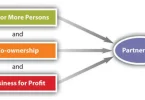
Partnership Disputes
Business partnerships can create legal problems when partners disagree.
Disputes may involve:
- Ownership
- Profit sharing
- Business decisions
- Management
- Expenses
- Partner responsibilities
- Withdrawal from the business
A detailed partnership agreement can reduce uncertainty.
Why Partnership Agreements Matter
A partnership agreement can explain:
- Ownership percentages
- Contributions
- Profit sharing
- Decision-making
- Partner duties
- Dispute resolution
- Exit procedures
- Business dissolution
Without clear terms, default partnership laws may apply.
Business Formation Problems
Choosing the wrong business structure can create legal and financial complications.
Common business structures include:
- Sole proprietorship
- Partnership
- Limited liability company
- Corporation
- Other structures recognized by local law
The structure can affect:
- Liability
- Taxes
- Management
- Ownership
- Recordkeeping
- Legal obligations
Business owners should understand the consequences of their chosen structure.
Personal Liability for Business Debts
Personal liability can become one of the more serious common business legal issues.
Some business structures may provide liability protection, but that protection is not unlimited.
Personal liability may arise in situations involving:
- Personal guarantees
- Fraud
- Certain legal violations
- Improper business practices
- Failure to maintain required legal separation
Business owners should understand the specific protections and limitations of their business structure.
Privacy and Data Protection Problems
Modern businesses often collect personal information.
This can include:
- Names
- Email addresses
- Phone numbers
- Addresses
- Payment information
- Account information
Depending on the location and nature of the business, privacy laws may impose requirements on how information is collected, stored, used, and shared.
Businesses should take reasonable steps to protect sensitive information.
Cybersecurity and Data Breaches
Data breaches can create serious financial and legal consequences.
A business may face problems if customer or employee information is stolen or improperly disclosed.
Businesses should consider:
- Strong passwords
- Access controls
- Secure systems
- Employee training
- Software updates
- Data backup
- Incident response procedures
The legal requirements following a data breach depend on the applicable laws.
Commercial Lease Disputes
Businesses operating from physical locations may face disputes with landlords.
Commercial lease disputes can involve:
- Rent
- Repairs
- Maintenance
- Property damage
- Lease renewal
- Security deposits
- Property use
- Early termination
Businesses should read commercial leases carefully before signing them.
Supplier and Vendor Disputes
Businesses depend on suppliers and vendors for products and services.
Problems may occur when a supplier:
- Delivers late
- Provides defective products
- Charges unexpected amounts
- Fails to meet specifications
- Refuses to honor contractual terms
A clear supplier agreement can help define each party’s responsibilities.
Debt Collection Problems
Businesses may sometimes need to recover money owed by customers or other parties.
Debt collection can be subject to legal restrictions.
Businesses should use lawful collection methods and avoid harassment, false statements, or prohibited practices.
For significant unpaid debts, professional legal advice may be appropriate.
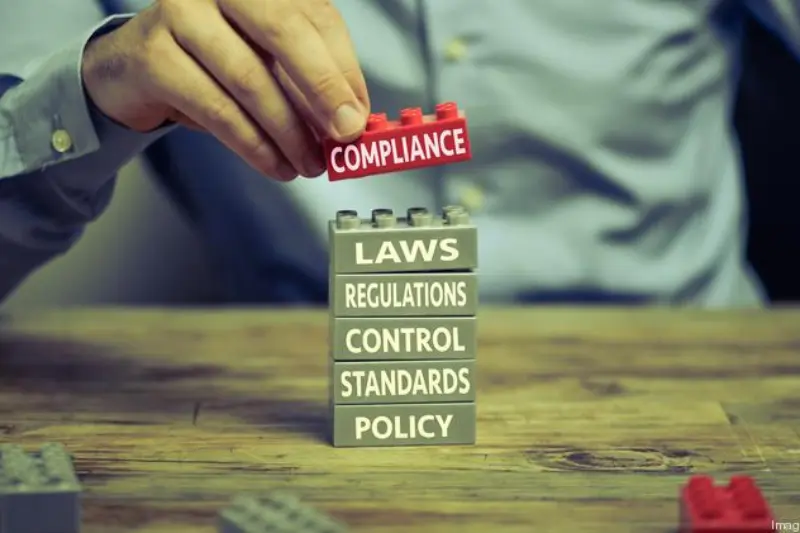
Regulatory Compliance Issues
Businesses may need to comply with rules imposed by government agencies.
Depending on the industry, regulations may involve:
- Health and safety
- Environmental requirements
- Financial reporting
- Consumer protection
- Employment
- Licensing
- Product standards
Failure to comply can result in fines or other enforcement actions.
Business Disputes and Lawsuits
A business can become involved in litigation for many reasons.
A lawsuit may involve:
- Contracts
- Employees
- Customers
- Suppliers
- Competitors
- Intellectual property
- Property
- Debt
If a business receives legal documents, it should not ignore them.
What Should a Business Do After Receiving a Lawsuit?
The business should:
- Read the documents carefully
- Identify response deadlines
- Preserve relevant evidence
- Gather contracts and records
- Avoid destroying documents
- Consider obtaining legal advice
The appropriate response depends on the type of claim and applicable law.
How Can Businesses Prevent Legal Problems?
Many common business legal issues can be reduced through careful planning.
Use Written Contracts
Important business arrangements should be documented clearly.
Keep Good Records
Maintain contracts, invoices, receipts, employee records, and important communications.
Understand Applicable Laws
Business owners should identify the laws that apply to their industry and location.
Protect Intellectual Property
Businesses should identify valuable intellectual property and take appropriate steps to protect it.
Review Contracts Before Signing
Owners should understand important obligations before agreeing to them.
Maintain Proper Licenses
Keep required permits and licenses current.
When Should a Business Hire a Lawyer?
Not every business decision requires a lawyer.
However, professional legal advice can be valuable when dealing with:
- Major contracts
- Lawsuits
- Employment disputes
- Intellectual property issues
- Business formation
- Partnerships
- Regulatory investigations
- Business purchases or sales
- Significant property transactions
A lawyer can help explain legal risks and possible options.
Common Business Legal Issues Checklist
Business owners can use this simple checklist to monitor potential risks:
- Contract disputes
- Unpaid invoices
- Employment issues
- Tax obligations
- Business licenses
- Intellectual property
- Customer complaints
- Partnership disagreements
- Privacy obligations
- Data security
- Commercial leases
- Supplier disputes
- Debt collection
- Regulatory compliance
- Business lawsuits
Reviewing these areas regularly can help businesses identify problems early.
Frequently Asked Questions
What are the most common business legal issues?
Some of the most common business legal issues involve contracts, unpaid invoices, employment, taxes, intellectual property, customer disputes, partnerships, privacy, licensing, and regulatory compliance.
Why do small businesses face legal problems?
Small businesses may face legal problems because of unclear contracts, poor recordkeeping, missed deadlines, employment disputes, tax mistakes, customer complaints, or failure to understand applicable regulations.
Can a business be sued by a customer?
Yes. Customers may bring legal claims involving contracts, products, services, advertising, consumer protection, or other issues depending on the circumstances.
What is a contract dispute?
A contract dispute occurs when parties disagree about their rights or obligations under an agreement or when one party allegedly fails to perform its contractual duties.
How can a business avoid legal problems?
Businesses can reduce risks by using clear contracts, keeping accurate records, following applicable laws, protecting intellectual property, maintaining licenses, and seeking professional advice when necessary.
Conclusion
Understanding common business legal issues can help entrepreneurs protect their businesses and make better decisions. Legal problems can arise in almost every area of business operations, including contracts, employees, taxes, customers, suppliers, partnerships, intellectual property, privacy, property, and regulatory compliance.
Many legal disputes can be reduced through careful planning. Businesses should use clear written agreements, maintain accurate records, follow applicable laws, protect intellectual property, and understand their contractual obligations.
Business owners should also avoid ignoring legal notices or assuming that a problem will disappear on its own. A small disagreement can sometimes become a serious legal dispute if it is not addressed properly.
Learning about common business legal issues does not mean that business owners need to become legal experts. The goal is to understand the basic risks, recognize warning signs, and know when professional advice may be needed.
Because business laws vary by jurisdiction and industry, businesses should always check the specific rules that apply to their circumstances.