

Running a small business involves many responsibilities, but business owners also have important legal rights. Understanding small business legal rights can help entrepreneurs protect their businesses, make better decisions, and respond appropriately when problems arise.
A small business may enter contracts, hire employees, rent property, purchase equipment, work with suppliers, serve customers, and create valuable intellectual property. Each of these activities can involve legal rights and responsibilities.
Many new business owners focus on sales, marketing, and finances but may not spend enough time learning about the legal protections available to them. Knowing your rights can be just as important as knowing your obligations.
This guide explains small business legal rights in simple terms. It covers contracts, payments, business property, employees, intellectual property, customers, privacy, disputes, and other areas that may affect small businesses.
Because laws vary by country, state, province, city, and industry, this article provides general educational information and is not a substitute for advice from a qualified legal professional.
What Are Small Business Legal Rights?
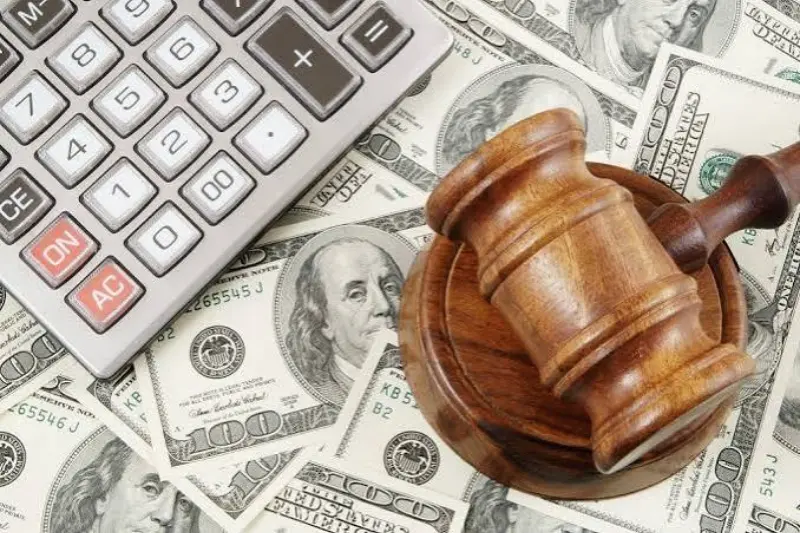
Small business legal rights are the legal protections and claims available to business owners and their businesses under applicable laws.
These rights can involve:
- Contracts
- Payments
- Business property
- Employees
- Customers
- Intellectual property
- Privacy
- Competition
- Debt collection
- Dispute resolution
- Business ownership
The specific rights available to a business depend on its legal structure, location, industry, and circumstances.
Why Are Small Business Legal Rights Important?
Understanding small business legal rights helps business owners recognize when another person or organization may be interfering with their lawful interests.
For example, a business may have rights when:
- A customer refuses to pay according to a contract
- A supplier fails to deliver agreed products
- Another company uses protected intellectual property
- A landlord violates a commercial lease
- A competitor engages in unlawful conduct
- A contract is breached
- A business receives a legal claim
Knowing these rights can help an owner decide when professional legal advice may be necessary.
Do Small Businesses Have the Same Legal Rights as Large Companies?
Small businesses generally have many of the same basic legal protections as larger businesses, although the exact rules depend on the jurisdiction and type of business.
A small business can enter contracts, own property, protect intellectual property, pursue unpaid debts, and defend itself against legal claims.
However, some laws may provide additional protections or requirements for small businesses.
Rights Under Business Contracts
Contracts are one of the most important sources of small business legal rights.
When a business enters a valid contract, it may gain legally enforceable rights against the other party.
For example, a business that provides services under a contract may have the right to receive payment when it completes the agreed work.
Similarly, a business purchasing products may have rights if the supplier fails to meet the agreed terms.
Right to Enforce Contract Terms
If another party breaches a contract, the affected business may have legal remedies.
Depending on the agreement and applicable law, these may include:
- Financial damages
- Refunds
- Contract termination
- Specific performance
- Other legal remedies
The available remedy depends on the circumstances.
Right to Receive Contractual Payment
A business generally has a right to receive payment according to the terms of an applicable contract.
If a customer fails to pay, the business may have options for collecting the debt.
These options may include:
- Sending a payment demand
- Negotiating a payment arrangement
- Using a collection process
- Filing a legal claim
Businesses should follow applicable debt collection laws when attempting to recover money.
Rights When a Customer Does Not Pay
Unpaid invoices can create serious cash-flow problems for small businesses.
A business may have legal rights to pursue payment when a customer fails to meet a valid payment obligation.
The business should keep evidence such as:
- Contracts
- Invoices
- Purchase orders
- Delivery records
- Emails
- Payment records
- Messages
Good documentation can help demonstrate what was agreed and what remains unpaid.
Rights Against Breach of Contract
A small business may have legal rights when another party fails to perform its contractual obligations.
For example, a supplier may agree to deliver products by a specific date but fail to do so.
The business may have rights depending on:
- The contract
- The type of breach
- The losses involved
- Applicable law
The business should review the contract before deciding what action to take.
You may also like these posts:
Family Law Basics for Beginners: A Simple Guide
How Does Child Custody Work? A Complete Guide
How to File for Divorce: Step-by-Step Guide
Child Support Laws Explained: A Complete Guide
Small Business Property Rights
Businesses can own or lease property used for their operations.
This can include:
- Buildings
- Equipment
- Vehicles
- Computers
- Inventory
- Furniture
- Machinery
Property rights determine who can use, possess, transfer, or control the property.
Rights Under Commercial Leases
A business renting commercial property generally has rights under its lease agreement and applicable law.
The lease may address:
- Rent
- Repairs
- Maintenance
- Access
- Security deposits
- Renewal
- Termination
- Property use
If a landlord fails to follow the lease, the business may have legal remedies depending on the circumstances.
Small Business Intellectual Property Rights
Intellectual property can be one of the most valuable assets of a small business.
Small business legal rights can include protections for intellectual property such as:
- Trademarks
- Copyrights
- Patents
- Trade secrets
The exact protection depends on the type of intellectual property and applicable law.
Trademark Rights
A trademark can distinguish a business’s goods or services from those of competitors.
A trademark may involve:
- Business names
- Product names
- Logos
- Brand elements
- Certain slogans
A business may have legal rights against unauthorized use of a protected trademark, depending on the circumstances.
Why Trademark Protection Matters
A strong brand can become an important business asset.
Before adopting a business name or logo, owners should consider whether another company already has rights that could create a conflict.
Registration may provide additional legal protection in some jurisdictions.
Copyright Rights
Copyright can protect original creative works.
Small businesses may create:
- Website content
- Articles
- Photographs
- Videos
- Graphic designs
- Software
- Marketing materials
Depending on applicable law, the creator or business may have rights over the use and reproduction of those works.
Businesses should also avoid using other people’s copyrighted material without appropriate permission or legal rights.
Patent Rights
A patent can provide legal protection for certain inventions.
Small businesses that develop new products, technologies, or processes may consider whether patent protection is appropriate.
Patent laws are technical, and requirements vary by jurisdiction.
Trade Secret Rights

Trade secrets can include confidential business information that provides commercial value.
Examples may include:
- Customer lists
- Recipes
- Business strategies
- Manufacturing processes
- Pricing information
- Proprietary methods
Businesses can use confidentiality agreements and security procedures to protect sensitive information.
Small Business Employment Rights
Business owners may have legal rights in their relationships with employees and contractors, but they also have important responsibilities.
Employment laws can cover:
- Wages
- Working hours
- Workplace safety
- Leave
- Discrimination
- Harassment
- Termination
- Employee classification
A business owner should understand both employer rights and employee protections.
Right to Manage the Business
Subject to applicable employment laws and contracts, employers generally have authority to manage their businesses.
This may include decisions about:
- Work assignments
- Business procedures
- Scheduling
- Performance standards
- Hiring
- Workplace policies
However, management decisions cannot generally violate applicable laws.
Rights as an Employer
Depending on local law, an employer may have rights to:
- Establish workplace policies
- Assign duties
- Evaluate employee performance
- Protect confidential information
- Protect business property
- Enforce legitimate workplace rules
These rights must be exercised consistently with employment contracts and applicable employment laws.
Small Business Privacy Rights
Businesses may collect information about customers, employees, and other individuals.
Privacy laws can affect how this information is collected, stored, used, and shared.
Businesses may also have rights concerning their own confidential information.
Examples include:
- Customer databases
- Business records
- Financial information
- Proprietary data
Businesses should understand applicable privacy and data protection requirements.
Rights to Protect Confidential Information
A business may take steps to prevent unauthorized disclosure of confidential information.
These steps can include:
- Confidentiality agreements
- Employee policies
- Access controls
- Password protection
- Data security
- Internal procedures
A business should identify what information is genuinely confidential and use reasonable measures to protect it.
Small Business Consumer Rights
Businesses have responsibilities toward customers, but they may also have certain rights in customer relationships.
For example, a business may have the right to:
- Receive agreed payment
- Enforce valid contractual terms
- Protect its property
- Respond to false claims
- Defend against unreasonable legal allegations
Consumer protection laws can limit how businesses exercise these rights.
Rights Against False or Unfair Claims
A business may have legal options if someone makes false statements that unlawfully damage its reputation or business interests.
However, laws concerning defamation and business reputation vary considerably.
Businesses should preserve evidence of potentially harmful statements and obtain appropriate legal advice before taking action.
Small Business Rights Against Unfair Competition
Businesses may have legal protections against certain forms of unlawful competition.
Depending on applicable law, prohibited conduct may include:
- Trademark infringement
- False advertising
- Misappropriation of trade secrets
- Certain deceptive practices
- Other unlawful competitive conduct
Not every aggressive business practice is illegal, so the specific circumstances matter.
Small Business Rights During Legal Disputes
A business that becomes involved in a legal dispute generally has rights to respond and defend its interests.
A business may need to:
- Review the legal claim
- Preserve documents
- Meet deadlines
- Gather evidence
- Communicate with legal representatives
- Attend required proceedings
Ignoring a legal notice can seriously harm a business’s position.
What Should a Business Do After Receiving a Lawsuit?
If a small business receives legal papers, the owner should not ignore them.
Important steps may include:
- Read the documents carefully.
- Identify response deadlines.
- Preserve relevant records.
- Avoid destroying or altering evidence.
- Review relevant contracts.
- Consider consulting a qualified lawyer.
- Follow the required legal procedure.
The correct response depends on the type of claim and applicable law.
Small Business Rights During Government Inspections
Some industries and businesses may be subject to government inspections.
A business may have certain rights during an inspection, but those rights depend on the authority conducting the inspection and the applicable law.
Business owners should remain professional, keep required records available, and understand the scope of the inspection.
If an inspection involves a serious legal issue, professional advice may be appropriate.
Small Business Rights When Dealing With Suppliers
A business may have contractual rights when purchasing products or services from suppliers.
A supplier may be required to:
- Deliver agreed products
- Meet agreed specifications
- Meet deadlines
- Follow contractual conditions
- Provide agreed documentation
If the supplier fails to perform, the business may have contractual remedies.
Small Business Rights in Payment Disputes
Payment disputes can occur when a customer claims an invoice is incorrect or refuses to pay.
A business should keep clear documentation showing:
- What was ordered
- What was delivered
- The agreed price
- Payment terms
- Invoices
- Communications
Clear records can make it easier to resolve disagreements.
Small Business Rights in Partnership Disputes
Business partners may disagree about ownership, profits, management, or other matters.
The partnership agreement can provide important rights and procedures.
It may explain:
- Voting rights
- Profit sharing
- Management authority
- Partner withdrawal
- Dispute resolution
- Business dissolution
A well-written agreement can provide valuable protection when disagreements occur.
Small Business Rights When Ending a Business
Business owners generally have legal options for closing a business, but they may need to follow specific procedures.
Closing a business may involve:
- Ending contracts
- Paying debts
- Handling employees
- Filing final tax documents
- Cancelling licenses
- Selling assets
- Distributing remaining property
The process depends on the business structure and applicable law.
How Can Small Businesses Protect Their Legal Rights?
Understanding small business legal rights is useful, but businesses also need practical systems to protect those rights.
Keep Written Agreements
Important business relationships should be documented whenever appropriate.
Maintain Accurate Records
Keep contracts, invoices, receipts, communications, and other important documents.
Separate Business and Personal Finances
Maintaining appropriate separation can make financial and legal matters easier to manage.
Protect Intellectual Property
Identify valuable intellectual property and consider appropriate legal protection.
Know Your Deadlines
Legal claims, contracts, licenses, and government filings can have important deadlines.
Seek Professional Advice
A lawyer can help a business understand its legal options when an issue becomes complicated.
Common Mistakes That Can Harm Small Business Legal Rights
Several mistakes can make it harder for a business to protect its interests.
Relying Only on Verbal Agreements
Important agreements are generally safer when documented clearly.
Failing to Read Contracts
Signing a contract without understanding its terms can create unexpected obligations.
Poor Recordkeeping
Without records, it may be difficult to prove what happened.
Ignoring Legal Notices
Missing a legal deadline can seriously affect a business’s position.
Mixing Personal and Business Assets
Poor separation can create financial and legal complications.
Ignoring Intellectual Property
Failing to protect a valuable brand, invention, or creative work can create avoidable risks.
When Should a Small Business Hire a Lawyer?
Professional legal advice may be helpful when a business:
- Is forming a new company
- Is signing a major contract
- Is facing a lawsuit
- Has an intellectual property dispute
- Is dealing with a serious employment issue
- Is buying or selling a business
- Is entering a partnership
- Is facing a regulatory investigation
- Is closing the business
Not every business problem requires a lawyer, but significant legal issues should not be ignored.
Small Business Legal Rights Checklist
Business owners can use this checklist to think about their small business legal rights:
- Understand the business structure
- Keep contracts organized
- Track unpaid invoices
- Protect intellectual property
- Keep business records
- Understand employment rules
- Protect confidential information
- Review commercial leases
- Follow consumer laws
- Understand privacy obligations
- Keep licenses current
- Respond to legal notices
- Document important business decisions
- Seek professional advice when necessary
Frequently Asked Questions
What are small business legal rights?
Small business legal rights are the legal protections and claims available to a business under applicable laws. They can involve contracts, property, intellectual property, employees, customers, and disputes.
Can a small business enforce a contract?
Generally, a business may be able to enforce a valid contract when another party fails to meet its obligations. The available remedies depend on the contract and applicable law.
What rights does a small business have when a customer does not pay?
A business may have the right to pursue payment according to the contract and applicable debt collection laws. Documentation such as invoices and contracts can be important.
Can a small business protect its brand?
Yes. Businesses may be able to protect names, logos, and other brand elements through trademark rights, depending on applicable law.
Does a small business have rights against competitors?
Businesses may have legal protections against certain unlawful competitive practices, such as trademark infringement, false advertising, or misuse of trade secrets.
Conclusion
Understanding small business legal rights can help entrepreneurs protect their businesses and respond more confidently when legal problems arise. Business owners may have important rights involving contracts, payments, property, employees, intellectual property, customers, suppliers, and dispute resolution.
However, having a legal right does not always mean that a dispute will automatically be resolved in your favor. Evidence, contracts, deadlines, applicable laws, and the specific circumstances can all affect the outcome.
The best approach is to prevent problems where possible. Businesses should use clear contracts, maintain accurate records, protect intellectual property, keep financial information organized, and understand the laws that apply to their activities.
When a serious dispute or legal claim arises, seeking advice from a qualified legal professional can help a business understand its options.
The exact small business legal rights available to an entrepreneur depend on the business structure, industry, and location. Therefore, business owners should always check the laws that apply to their particular situation.

[…] Small Business Legal Rights: Complete Beginner’s Guide […]